

DIVINITY CRYSTALS · JEWELLERY MATERIALS GUIDE
German silver can resemble sterling silver, but it is a different metal alloy. Ordinary German silver—also known as nickel silver—is usually made from copper, nickel and zinc and contains no actual silver.
Its bright appearance suits decorative pendants and costume jewellery, but clear material descriptions and awareness of nickel sensitivity matter when choosing what to wear.
Below, compare the metals, learn how to care for gemstone settings and explore five genuine photographs from three Divinity Crystals pendant listings.
Five first-party product photographs
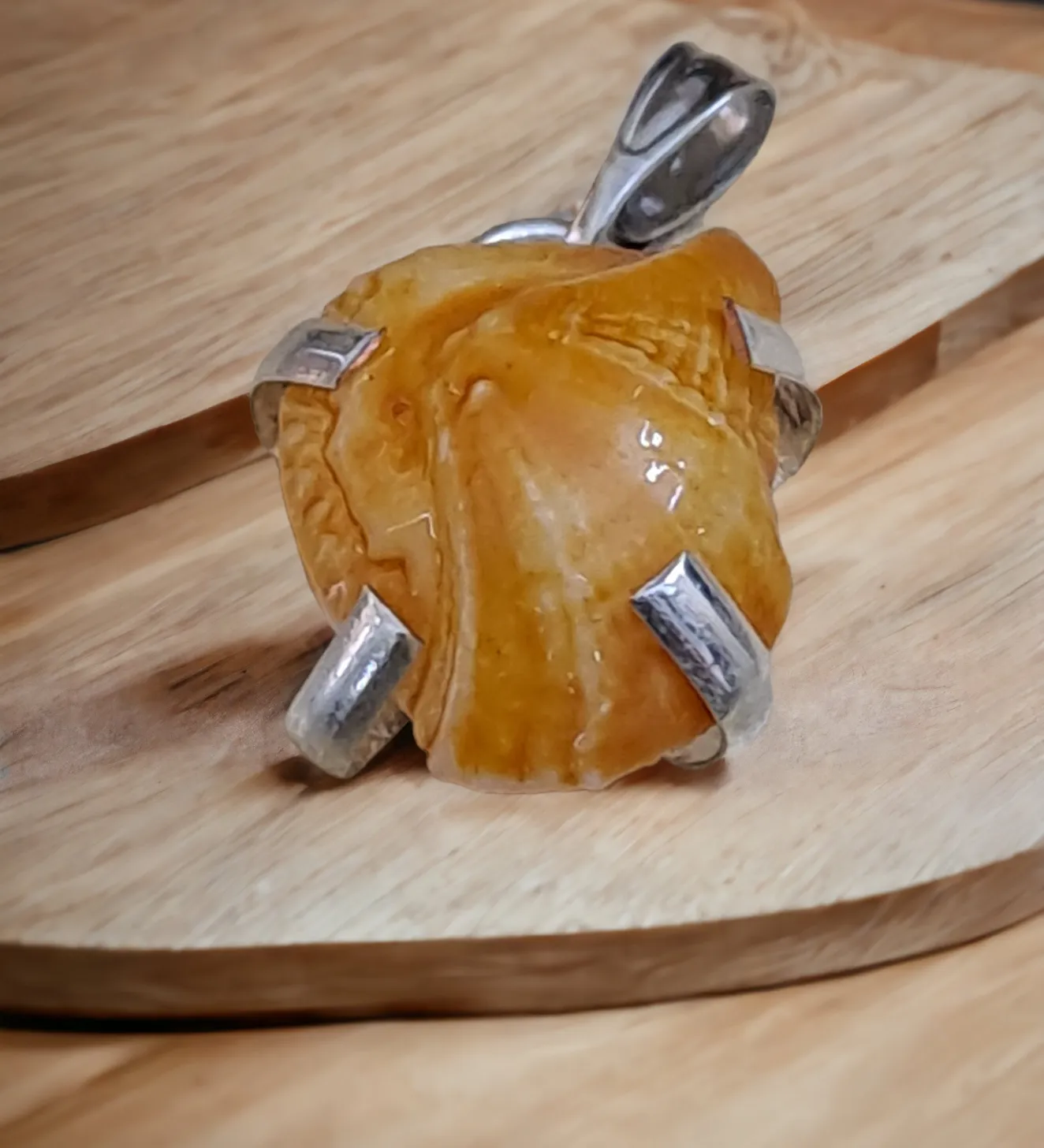
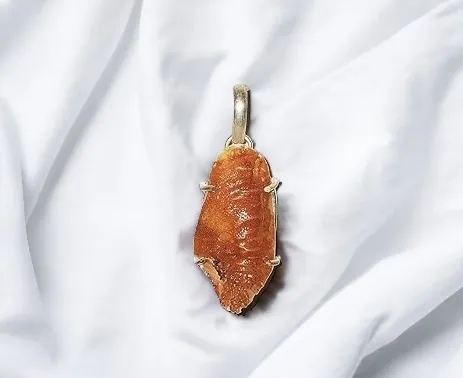
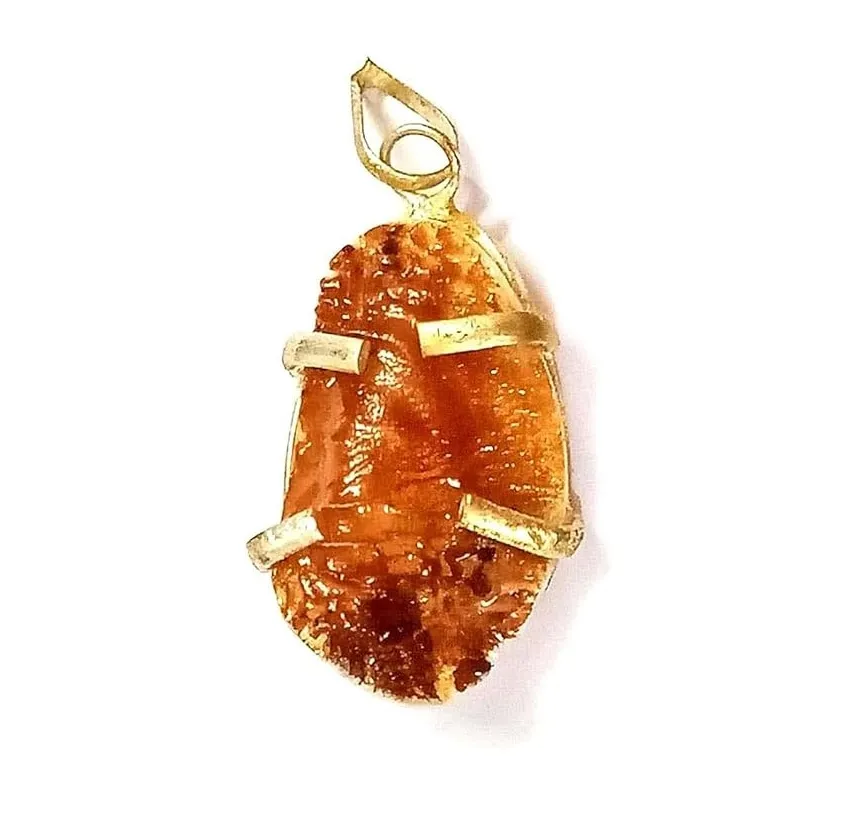
These photos come from our existing published pendant listings, not generated replacements. They show three distinct products, including additional angles of two pendants. Follow the direct product links to inspect the actual offer.

Machh Mani pendant — front
Actual catalogue view of a pendant sold with a German-silver setting
Machh Mani pendant — detail
Second published catalogue view of the same pendant
Shukra Mani pendant
Published catalogue photo of this separate pendant
Shukra Mani setting — close-up
Close view of its decorative metal setting

Gomti Chakra pendant
Actual published catalogue image of the locket

German silver at a glance
| Feature | What buyers should know |
|---|---|
| Common names | German silver, nickel silver, sometimes alpaca alloy |
| Typical alloy basis | Copper, nickel and zinc; proportions vary |
| Actual silver content | Ordinary German silver contains no elemental silver |
| Colour | Silver-like from alloy composition and surface finish |
| Nickel sensitivity | May trigger contact dermatitis in susceptible wearers |
| Silver plating | Possible on some pieces; must be independently specified |
| Sterling silver | A different material, commonly 92.5% silver |
| Care | Dry gently and avoid prolonged moisture, perfume and abrasive cleaning |
Three checks for trustworthy jewellery
The setting, gemstone and paperwork are separate questions.
Metal composition
Read the alloy or coating disclosure. German silver is not a synonym for sterling silver.
Skin suitability
Take known nickel sensitivities seriously. Do not equate a shiny finish with skin safety.
Exact product details
Compare photographed workmanship, pendant dimensions, fastening and any stone-specific documentation.
How to style and care for ornate pendants
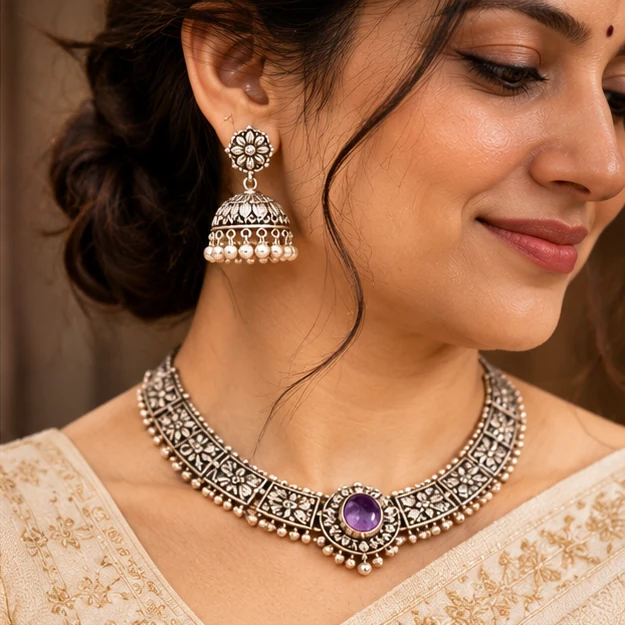
Metalwork complements coloured and natural gemstone pieces. Choose a pendant for its appearance, design and comfortable fastening, while checking what the setting really contains.
- Wear after perfume and skincare products have dried.
- Remove before bathing and strenuous activity.
- Wipe gently and store in a separate dry pouch.
- Avoid abrasive metal polish where decorative plating is present.
- Check the bail and any stone setting for wear.
Before you buy
- Confirm the metal is German silver, sterling silver or plated base metal.
- Check gemstone or shell identity separately from metal composition.
- Inspect images of the reverse, bail and stone setting.
- Review weight, dimensions and available certificate scope.
Safe everyday care
- Dry-wipe gently after wearing.
- Store away from humidity and cleaning chemicals.
- Stop contact if jewellery causes itching or rash.
- Keep small components and broken fittings away from children.
Why German silver has a misleading name
“German silver,” also called nickel silver, is typically a copper–nickel–zinc alloy. Its silvery appearance comes from the combination of metals, not from any silver content. It should not be sold as 925 sterling silver or confused with sterling silver merely because the colours are similar.
An actual product may have additional plating or coatings, which must be described separately and should not be assumed from appearance.
German silver vs sterling silver vs silver-plated jewellery
Sterling silver contains a high proportion of real silver, conventionally 92.5% by mass. German silver is a nickel-bearing copper alloy. Silver-plated jewellery consists of a base material with a silver coating; its composition depends on the base and finish.
A hallmark or written composition is more useful than guessing from bright colour. If exact alloy identity matters, request reliable supplier details or testing.
Nickel allergy and sensitive skin
Nickel is a frequent cause of allergic contact dermatitis, which may appear as itching, redness or a rash after contact with jewellery. Not everyone reacts, and individual responses vary. Someone with known nickel allergy should avoid jewellery of uncertain nickel content rather than relying on surface appearance.
If symptoms persist or recur, a dermatologist can advise on diagnosis and appropriate alternatives. A gemstone certificate is not a nickel-safety certificate.
What to check on our pendants
Our catalogue includes Machh Mani, Shukra Mani and Gomti Chakra pendants whose listings specify German silver settings. The five gallery photographs above show these three individual products, with additional angles for two of them.
Review the actual pendant dimensions, findings, fastening, visible setting and any jewellery or gemstone reports mentioned in that individual listing. Avoid assuming all items have identical coatings or dimensions.
Cleaning and storage
Use a soft, clean dry cloth to remove skin oils and surface dust. Store jewellery individually in a dry pouch and avoid exposing it repeatedly to perfume, sweat, saltwater or household chemicals. Keep abrasive brushes away from soft stones and decorative settings.
If a setting is plated, aggressive polishing can remove a coating. Stop wearing damaged pieces that have sharp edges or loose stones.
Styling and craft considerations
German-silver-toned jewellery is popular for an ornate metallic look with gemstones and decorative shells. Evaluate visual proportions and workmanship rather than claiming intrinsic gemstone healing or astrological outcomes.
Pendant symbolism may be personally meaningful, but scientific evidence does not establish that such objects change planetary effects, cure disease or protect from harm.
Material honesty builds long-term trust
The name is widespread commercially, but the best product descriptions specify that German silver is not elemental silver. We should distinguish the metal from the stone it holds and avoid generic claims about guaranteed safety, purity or certification without supporting documents.
Frequently asked questions
Is German silver real silver?
No. Despite its name, typical German silver is a copper–nickel–zinc alloy containing no silver.
Does German silver contain nickel?
Typically yes. The amount and surface release vary. Anyone with a known nickel allergy should avoid unverified nickel-containing jewellery.
Is German silver hypoallergenic?
It should not be described as hypoallergenic without evidence. Nickel can cause allergic contact dermatitis.
Does German silver turn black or tarnish?
Alloy surfaces may dull or discolour with time and environment. The rate depends on composition, surface treatments and how the item is worn and stored.
Can I polish it with silver cleaner?
Do not assume silver-polishing solutions are suitable. They may damage plating, gemstones or decorative finishes. Use a soft dry cloth unless the maker provides other guidance.
Can I wear German silver daily?
Suitability depends on fit, condition, sensitivity and wear conditions. Stop wearing if irritation develops and consult a qualified clinician if necessary.
Are the pictured pendants sterling silver?
No such claim is made. The linked product listings describe German-silver settings; review each item’s precise material disclosures.
Does a gemstone laboratory certificate certify the setting metal?
Not necessarily. A gemstone identification report does not automatically establish the exact alloy of the pendant setting or guarantee its nickel-release properties.
Choose a pendant with clear material details
Browse our own jewellery designs using real product photographs and accurate material descriptions. German silver can be beautiful, but it should never be mistaken for sterling silver.
The five product-linked photographs represent three actual products. Editorial visuals are conceptual and are not substitutes for catalogue images. Gemstone lab reports should not be assumed to certify metal purity or nickel release. These products do not have established medical or astrological effects.