
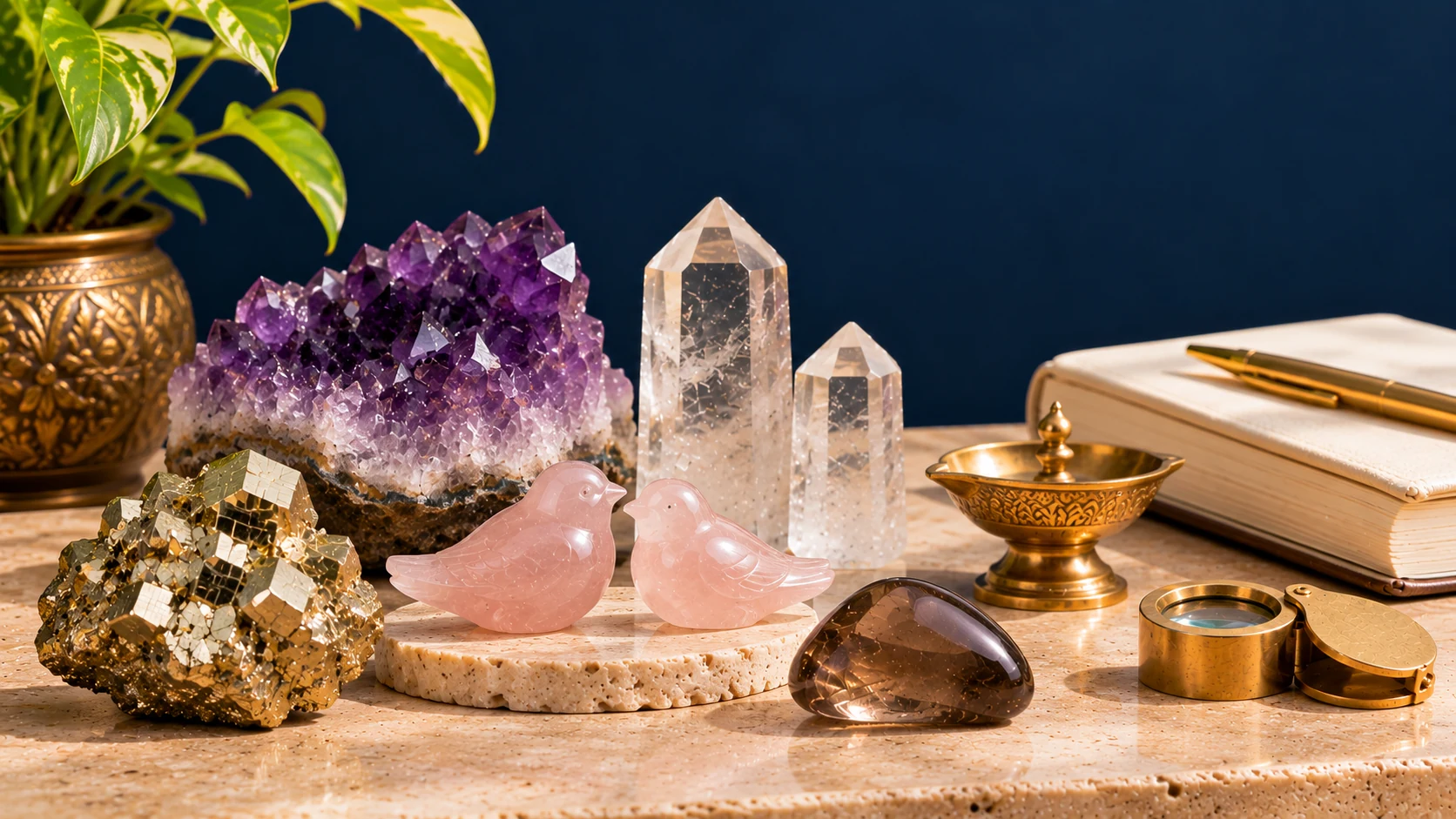

Divinity Crystals · Indian Home Traditions & Gemstone Styling
Vastu Shastra has a long history in Indian architectural and spatial traditions. The orientation of a building, the way rooms relate to one another and the symbolic significance of directions are central to different approaches. Modern crystal décor often borrows selected ideas from Vastu, Feng Shui and personal meditation practices. These approaches can enrich a home aesthetically or culturally, but they are not all the same tradition.
We want to make that distinction clear for our customers. A Pyrite cluster may become an attractive metallic desk specimen, a Clear Quartz cluster can highlight natural crystal forms, and Rose Quartz carvings can serve as symbolic gifts. Neither their placement nor an accompanying ritual can guarantee business success, relationships, safety, medical recovery or architectural correction.
This Divinity Crystals guide explains traditional placement language, how to set up a simple mineral display in a real Indian home, the practical difference between crystal shapes, and how to care for the materials we actually sell. The original cover and Indian editorial illustration show a styling concept; the five product photographs represent our own published listings.
For a more detailed directional treatment of the subject, also see our Vastu crystal placement master guide. This page focuses on an approachable ritual-and-décor workflow rather than repeating a rigid direction chart.
Seven essentials for meaningful Vastu-inspired crystal décor
- Vastu is a family of traditions about architecture and space, not a universal gemstone instruction sheet.
- Some directional names and deities have classical roots; modern crystal remedies vary by practitioner.
- Feng Shui Mandarin Duck pair symbolism belongs principally to a Chinese tradition.
- Use the real stone, size, weight and finish to determine a safe display location.
- Pyrite, Quartz, gypsum and carved mineral pieces require different care.
- Keep flames, water, children and pets in mind when setting up a ritual corner.
- Traditional symbolism may be personally valuable, but it cannot guarantee health, wealth or harmony.
What Vastu Shastra is—and what today’s crystal styling adds
Traditional Vastu Shastra discusses orientation, site plans, building proportions, use of space and directional associations. Many contemporary guides adapt those ideas to modern flats, rental homes and small workspaces. Decorative gemstone placement is one such adaptation, so it helps to distinguish architectural guidance from the meaning an individual chooses for a crystal.
The comparative study of Vastu textual principles notes that classical sources are not identical in their directional assignments. The north may be linked with Kubera in one set of sources and Soma in another. This is a reason to describe contemporary gem placement as one interpretation rather than declare that every tradition requires a particular stone in the same corner.
If you follow a family custom, you may prefer to honour it without purchasing more décor. A clean and stable space for prayer or reflection can be meaningful with a familiar keepsake, a notebook or a single genuine mineral specimen.
Vastu directions: examples rather than universal prescriptions
Many Indian household explanations name cardinal and diagonal directions—north, east, south, west, northeast (Ishanya), southeast (Agneya), southwest (Nairitya) and northwest (Vayavya). Those names carry varied traditional associations. Below are examples of how modern crystal décor is sometimes discussed, not an authoritative classical map or promise of results.
| Area or direction | Common symbolic interpretation | Practical décor consideration |
|---|---|---|
| North-facing work area | North is sometimes associated with Kubera and prosperity; modern guides may suggest Pyrite. | A small Pyrite specimen can sit on a stable, dry desk, away from spills and computer ventilation. |
| Northeast / Ishanya | Often described as a reflective or spiritual area in contemporary Vastu explanations. | Choose a simple, uncluttered corner; a stable Quartz or Amethyst piece is optional, not compulsory. |
| Southwest / Nairitya | Some modern practices use the area to represent steadiness and support. | A secure shelf with a Smoky Quartz tumble may suit the décor; do not assume it protects a building. |
| Entryway or shared room | Household symbolism can include welcome, hospitality and protection. | Keep entrances clear, avoid trip hazards and use small stable objects rather than sharp clusters. |
| Bedroom or personal reflection shelf | Some traditions favour imagery of connection or quiet contemplation. | Keep carved figurines securely supported and avoid crowded surfaces, loose stones in bedding or open flames. |
One source or practitioner may recommend different orientations. If directional symbolism matters to you, use a reliable compass carefully and compare your family’s practice with other sources; nearby metal or electronics can distort readings. For rental accommodation or a compact apartment, a practical and attractive arrangement is usually more important than forcing a symbolic scheme into every room.
Five gemstone formats for a real home—not imagined powers
Pyrite: a distinctive desk specimen
Pyrite is iron sulphide, often showing metallic brassy faces and cubic crystal habits. Modern prosperity symbolism makes it popular for workspaces. We recommend a dry, stable surface, verified weight and honest material disclosure rather than an income promise.
Clear Quartz: natural transparent points
Clear Quartz is silicon dioxide (SiO₂), with Mohs hardness about 7. A cluster suits a sturdy display but its points can chip. The label “energy amplifier” belongs to spiritual language, not a measured commercial performance.
Amethyst: colour and crystal structure
Amethyst is purple quartz. Its colour and natural shapes make it appealing on a shelf, while contemporary symbolism often links it with reflection. Avoid hard knocks, excessive heat and prolonged strong sunlight for colour preservation.
Rose Quartz bird pairs: symbolic ornament
Carved pink birds are decorative objects. Mandarin Duck symbolism is particularly associated with Chinese Feng Shui, even when a product also appears in Vastu-themed home collections. Neither a carving nor its direction can secure another person’s love.
Smoky Quartz: a compact, smooth option
Smoky Quartz is a grey-to-brown form of quartz. A smooth tumble can be easier to keep in a small tray than a pointed cluster. Its grounding symbolism is optional and does not substitute for household safety or wellbeing support.
Spheres, pyramids and decorative forms
A sphere’s smooth geometry or a pyramid’s defined apex can be aesthetically striking. Neither shape has been shown to radiate guaranteed harmony. Check the actual mineral, base stability, finish and available dimensions rather than buying solely for a shape claim.
We encourage selecting the item that really fits the room and what you enjoy. For example, a small smooth tumble in a shallow dish can be more practical for a narrow bedside table than a large raw cluster. If buying a heavy Pyrite rock, check its mass and the shelf’s support. Decorative arrangements should never obstruct access or interfere with household activity.
Five matching Divinity Crystals product photographs
These five product-gallery photographs belong to published Divinity Crystals listings. Our cover and Indian lifestyle editorial illustrate styling only. Actual merchandise, counts, dimensions, finishes and any reports must be checked on each corresponding product page.
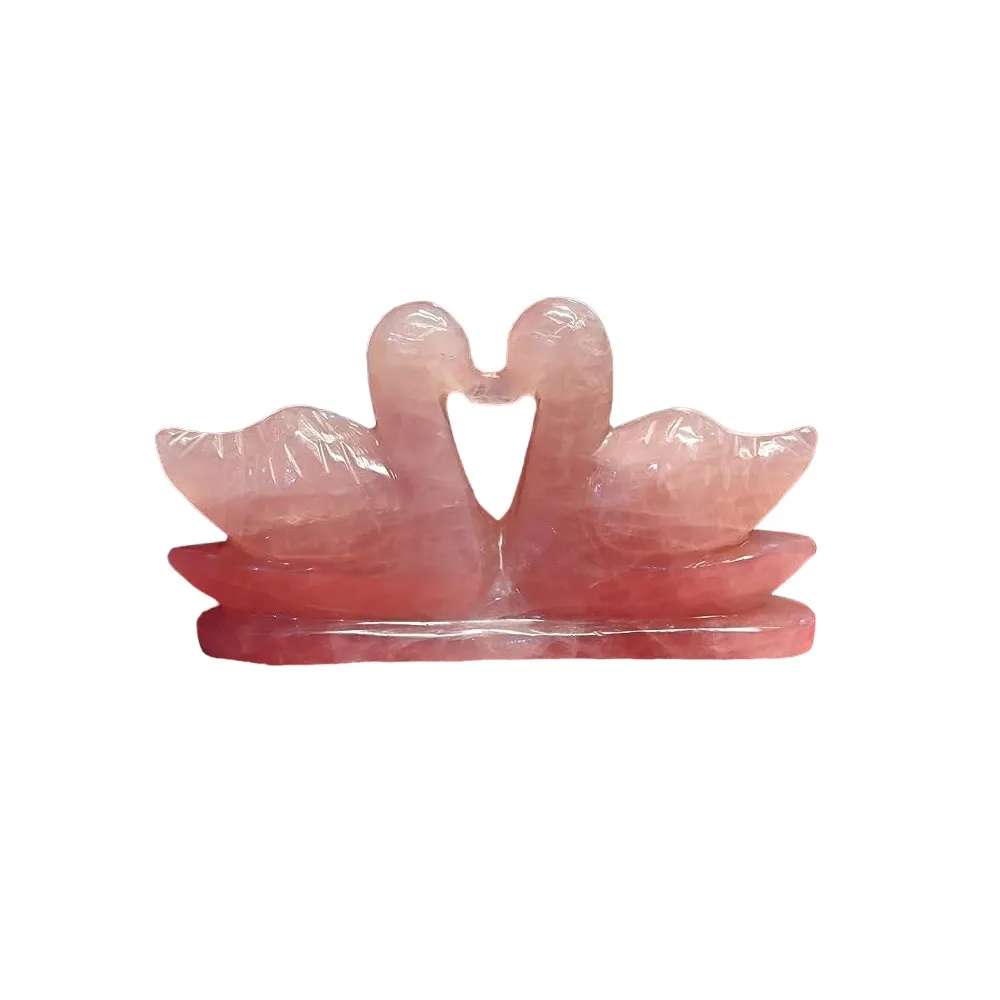
Rose Quartz Carved Bird Pair
A pair of pale-pink carved birds from our published Rose Quartz listing. This design draws on Feng Shui pair symbolism, not a guaranteed relationship outcome.
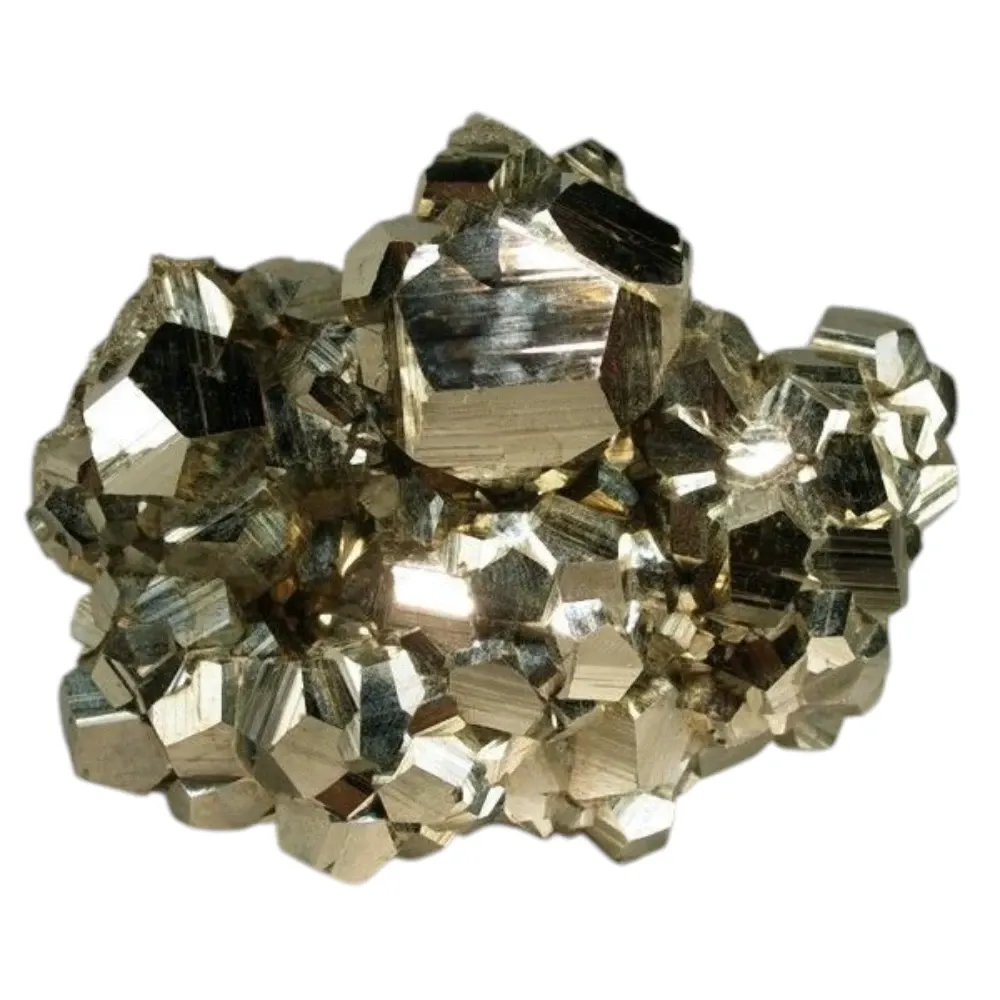
Raw Pyrite Mineral Cluster
An actual product-gallery view of a metallic-brassy Pyrite cluster. Check the listed weight and keep the mineral dry.
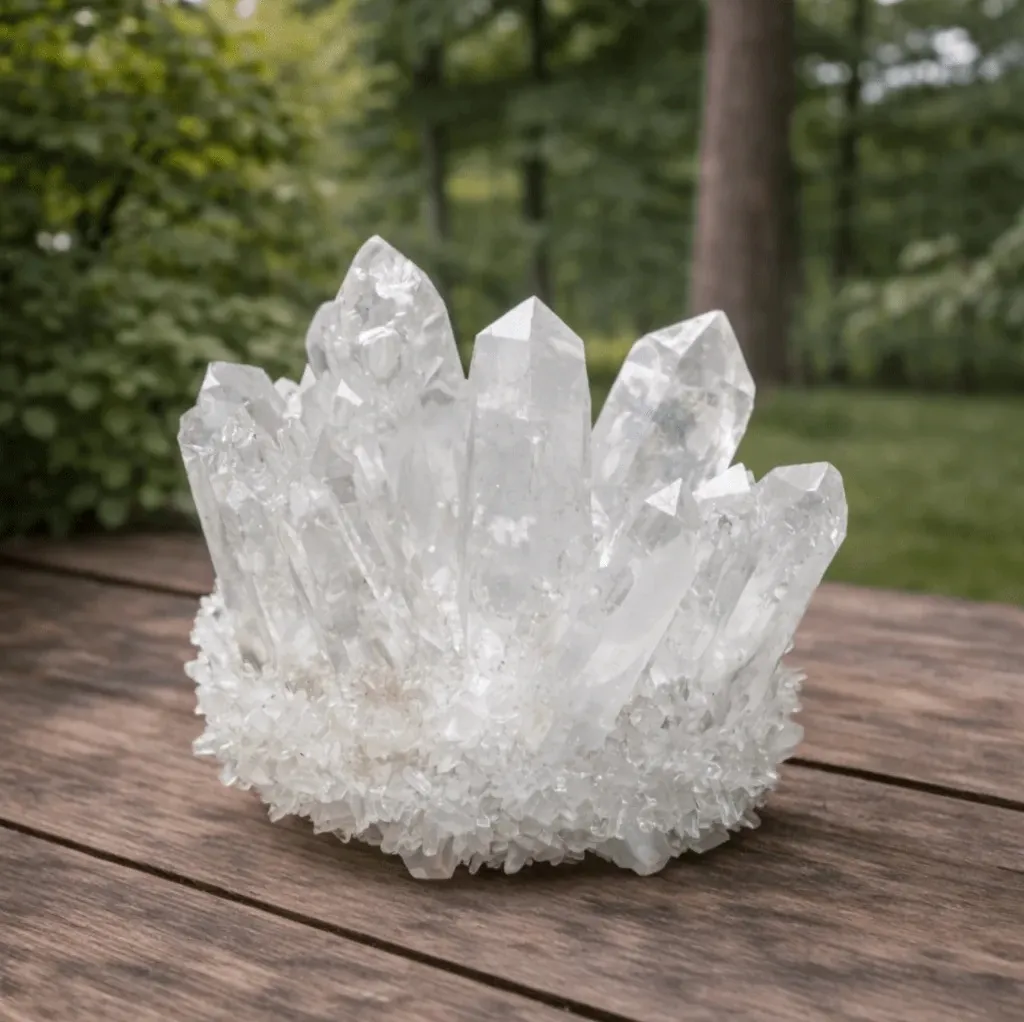
Clear Quartz Cluster Specimen
A real Clear Quartz product view showing pointed crystal growth. Place a cluster where it is stable and cannot be knocked over.
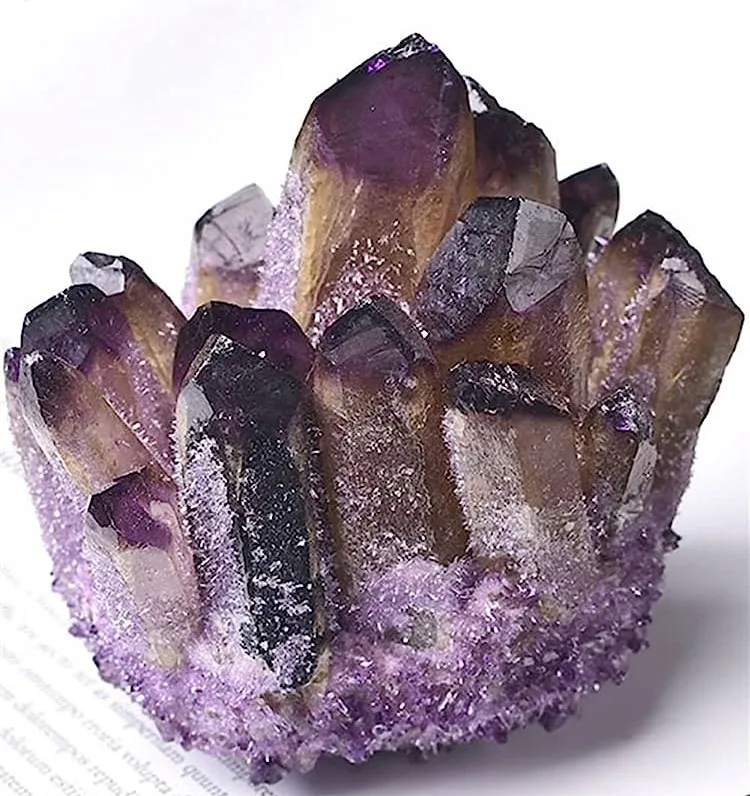
Amethyst Quartz Cluster
Published Amethyst crystal specimen with purple points. Colour and size vary; verify the exact listing and any certification claims.

Smoky Quartz Tumblestones
A product-gallery view of smooth smoky-brown quartz stones for a small, contained desk or shelf display.
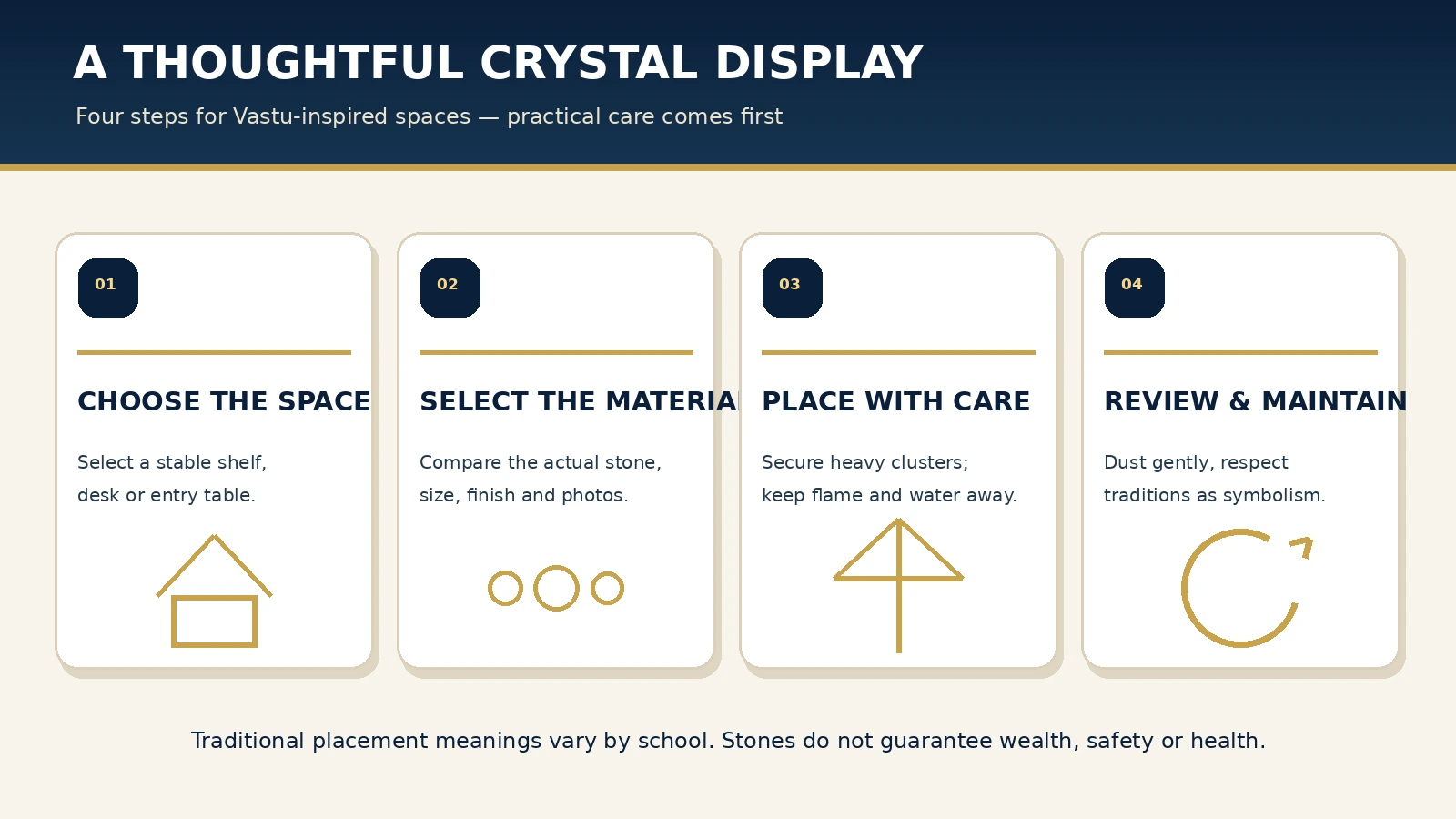
A four-step crystal ritual that respects both tradition and safety
You can choose a symbolic practice without expecting a gemstone to perform an invisible repair. This short routine works for an entry table, desk or personal reflection space. It also works with just a family keepsake or notebook if you prefer not to buy a new stone.
Choose the purpose and space
Pick one real area: a writing desk, a shelf in the living room, a safe entry table or a quiet reflection corner. Start with the object’s physical size and a stable location, not a promise that it will alter the home’s fortune.
Select one or two correct minerals
Consider a Pyrite specimen, smooth Smoky Quartz tumble, Amethyst cluster, Clear Quartz point or Rose Quartz carving for its colour and shape. Compare our exact product photos, format, weight and treatment claims.
Arrange it safely
Keep sharp points and fragile carvings away from unstable edges, busy walkways and young children. A traditional diya may be part of a personal ritual, but a burning flame should remain well away from stones, textiles and unattended spaces.
Maintain and review
Dust stones by material, check display supports and notice whether the area feels convenient and pleasant to use. You can value symbolic direction without claiming that a placement guarantees wealth, safety or healing.
One realistic intention might be: “I want this corner to remain tidy and welcoming, so I will clear unnecessary objects and check the display every week.” This is a useful action you control. No specific chant, crystal activation or expensive kit is required for a safe and attractive room.
Three room examples for Indian apartments and homes
At a business desk
Choose a small Pyrite or Quartz specimen that leaves space for paperwork, water bottles and devices. Put it on a non-scratch mat or stable dish. You can connect it symbolically with focus or prosperity while continuing real budgeting, planning and customer service.
In a shared living room
A modest Amethyst specimen or Rose Quartz carving can be a conversation piece. Place it where children cannot accidentally dislodge heavy stones or swallow chips, and where guests can pass freely. Avoid an arrangement that obscures ventilation or becomes clutter.
In a quiet prayer or reflection corner
A clean surface, a notebook and a single stable stone can accompany a familiar family custom. If you light a diya, maintain a safe distance from cloth, flowers, children and pets, and never leave the flame unattended.
At the entry to a compact flat
A small, secured object may suit a narrow ledge if it cannot fall. A large pointed cluster or crowded tray beside a doorway can be a hazard. We prefer a clear pathway and real safety over a claim that a certain stone must stand at the entrance.
In each case the choice depends on the home’s materials, occupants and size. A label such as “Vastu correction” should not lead anyone to neglect dampness, structural damage, electrical problems, air quality or needed repairs.
Respecting Vastu and Feng Shui without combining them inaccurately
Vastu Shastra belongs to Indian architecture and spatial tradition; Feng Shui developed within Chinese cultural approaches to the environment. Their symbolism can overlap in modern home décor, but they are not interchangeable. A pair of Mandarin Ducks is especially familiar as a Chinese Feng Shui relationship emblem. We should describe the symbolism accurately rather than claim it was prescribed in every ancient Vastu text.
A cultural reference such as Europeana’s discussion of Mandarin Duck symbolism helps explain why paired birds are associated with devotion and companionship. Those meanings are traditions, not a mechanism that makes someone fall in love or remain in a relationship.
We can value heritage while maintaining honest expectations: no crystal orientation replaces medical care, sound financial decisions, relationship consent, proper construction or safe home maintenance.
Buying checks: authentic stones and accurate representations
| What to verify | Why it matters | Good practice |
|---|---|---|
| Mineral identity | Pyrite, quartz and gypsum have different composition and care. | Read our specific mineral description; ask about uncertainty or treatment where relevant. |
| Product format | Carvings, raw clusters, tumblestones and chips are not interchangeable. | Review our actual listing photographs, measurements, listed quantity and weight. |
| Finishing and treatments | Dyed, heated, polished or assembled items may require particular care. | Check what is disclosed rather than relying on colour alone. |
| Certification claim | A laboratory report has a defined scope and should not be assumed to cover all products. | Confirm the report belongs to the exact stone or relevant parcel if material to your purchase. |
| Display safety | Heavy, fragile or pointed objects can damage furniture or cause injury. | Choose stable supports, avoid heat exposure and keep small fragments away from children. |
A picture of a pale-pink bird carving does not prove an exact weight or laboratory identity. A metallic gold-toned cluster is not automatically gold metal. A transparent point is not necessarily Clear Quartz. For details of the difference between naturally occurring materials, treated stones and look-alikes, read our authentic crystals identification guide.
Care and cleansing: different minerals need different handling
Some ritual guides recommend washing every stone, soaking a crystal grid in salt water or exposing specimens to strong sunlight. We do not recommend a universal approach. Mineral surfaces, dyes, jewellery strings, metal fittings and adhesives respond differently to moisture, cleaning agents and heat.
Pyrite and metallic specimens
Keep Pyrite relatively dry, protect it from prolonged humid conditions and dust gently with a soft cloth or brush. Salt-water immersion adds unnecessary corrosion risk. Use a padded base for sharp or heavy edges.
Clear Quartz and Amethyst
Hard quartz can still chip or break on impact. Start with soft dry dusting, inspect any treatments and secure pointed clusters. Some Amethyst can lose colour with excessive sun or heat, so a sheltered display is prudent.
Rose Quartz carvings
Keep paired figures on a stable surface and protect delicate beaks, wings or other carved details from impact. Avoid abrasive cleaners and strong household chemicals. Check whether there are glue joints or attached supports.
Soft gypsum, chips and mixed décor
If you add satin-spar or Selenite-labelled gypsum to an arrangement, remember that it is much softer than quartz and vulnerable to moisture. Keep tiny loose chips contained and out of children’s and pets’ reach.
“Energetic cleansing” is a belief-based ritual; physical cleaning is the process of maintaining the mineral. We separate the two in our mineral-specific crystal cleaning guide. Do not put loose stones in drinking water or use open flames as a way to heat or purify gemstones.
How to keep a ritual enjoyable rather than compulsory
A home practice may include a moment of gratitude, a brief pause before work, an arrangement of family photographs or a favourite mineral specimen. It should not require repeated purchases or become a measure of someone’s moral worth. A room does not become unsafe or unlucky because an object has moved to a different shelf.
If you enjoy setting an intention, choose something you can observe: “I will keep the desk clear so I can work comfortably,” or “We will make time for conversation at dinner.” A Pyrite specimen or Quartz cluster can simply remind you of that intention. Practical habits, relationships and appropriate professional advice are the things that create change.
For readers who enjoy more elaborate layouts, our crystal grid construction guide explains how to assemble a stable decorative layout. For people considering larger home arrangements, our Vastu crystal décor guide and Vastu placement master guide provide additional context.
Frequently asked questions about crystal rituals and Vastu
These responses distinguish traditional meanings, actual mineral properties, practical placement and the products we sell.
What is Vastu Shastra?
Vastu Shastra refers to Indian architectural and spatial planning traditions involving site, orientation, layout and symbolic directions. Modern gemstone placement rules are not all uniform or found in every classical text.
Are crystal placements a traditional part of every Vastu school?
No. Contemporary crystal remedies blend modern mineral décor and spiritual practice with selected Vastu ideas. Sources and practitioners vary; avoid treating one shopping chart as a universal classical instruction.
Does north always mean wealth in Vastu?
Many traditions associate north with Kubera and prosperity symbolism, but texts and regional practices differ. Decorating a northern shelf with Pyrite cannot guarantee income or financial stability.
Why is northeast sometimes called Ishanya?
Ishanya is a traditional name for the northeast direction, often associated with spiritual reflection in Vastu teachings. The meaning is cultural, not a measurable medical or architectural cure.
Is a pair of Mandarin Ducks originally Vastu?
Mandarin Ducks are primarily associated with Chinese Feng Shui symbolism of partnership. Their presence in Vastu-themed retail collections reflects a cross-tradition décor practice, not a universal ancient Indian rule.
Do I have to use a compass?
A compass may help if you want to explore traditional directions, but accurate compass readings can be affected by metal, electronics and your building. For decorative placement, safety and convenience come first.
How much crystal décor do I need for a small flat?
One suitable object is enough if you want crystal décor. Keep the room functional; there is no required quantity of stones or need to purchase a kit to make the home auspicious.
Can I use a diya near crystals?
Place any lit diya on a heat-safe, stable surface, away from textiles, children, pets and flammable décor. Never leave a flame unattended or heat gemstones deliberately.
Should I cleanse all Vastu crystals in water?
No. Water suitability varies by mineral, treatment and jewellery construction. Pyrite, gypsum and some mounted or coated materials need particular caution; start with a soft dry cloth.
How do I know a Vastu crystal is genuine?
Examine the specific product’s photos, declared mineral, dimensions, weight, treatment and any relevant laboratory documentation. Colour, price and spiritual labels alone do not verify authenticity.
Will a Vastu ritual cure stress or illness?
No. Crystal décor and symbolic practices are not substitutes for medical or mental-health care. Seek appropriate help for symptoms, and enjoy the ritual only as an optional personal tradition.
Final perspective: a meaningful home begins with thoughtful choices
Vastu traditions and gemstone symbolism can be an interesting part of Indian home life. The most useful crystal décor is also straightforward: it is accurately described, visually appealing, securely displayed and cared for in a way that suits the actual material.
At Divinity Crystals, we offer genuine physical products for customers to examine and enjoy. We can respect traditional meaning without promising that a stone changes a family’s destiny, guarantees a business result or repairs a home. Choose by material, workmanship, photo and fit, and let your space reflect the intentions and habits that matter to you.