

Divinity Crystals · Premium mineral journal
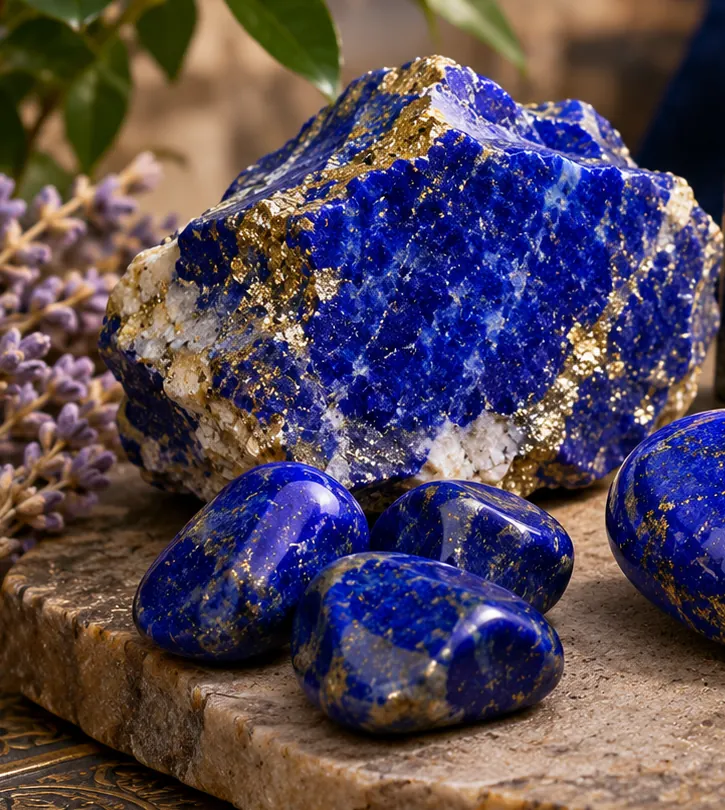
Lapis lazuli is a natural blue rock, not a single mineral. Its iconic colour is associated with lazurite, white areas often come from calcite, and golden-looking flecks can be pyrite.
This guide explains the actual mineral mixture, differences from blue lookalikes, treatments, bracelet wear and the safe care of this beautiful stone.
We show five real product photographs from three of our own published Divinity Crystals listings, separate from the original editorial images used to illustrate the story.
Essential takeaways
- Lapis lazuli is a rock comprising more than one mineral.
- The blue comes principally from lazurite-related components.
- White calcite and gold-coloured pyrite can be natural features.
- Sodalite and dyed stones may imitate the look of lapis.
- Some lapis is dyed or enhanced; ask about the exact material.
- Gentle cleaning and separate storage protect its softer components.
Five genuine Divinity Crystals product photographs
These are five different published catalogue images across three actual products. Cards link directly to the corresponding raw, tumbled or threaded-bracelet listing—so you can review the corresponding item and its product information.

Raw lapis lazuli chunks
Rough, angular blue mineral material; inspect pyrite and calcite areas

Raw stone macro detail
Second actual view of the same raw-stone product
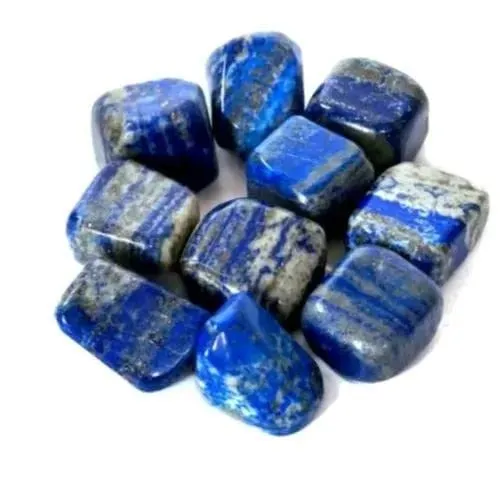
Polished lapis tumbles
A group of smooth polished blue stones
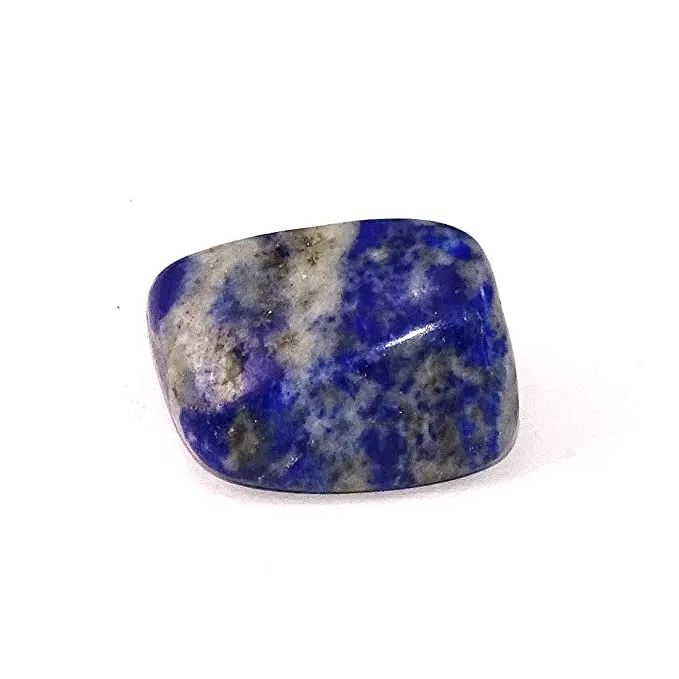
Single polished tumble
One close-up view of our tumbled-stone range
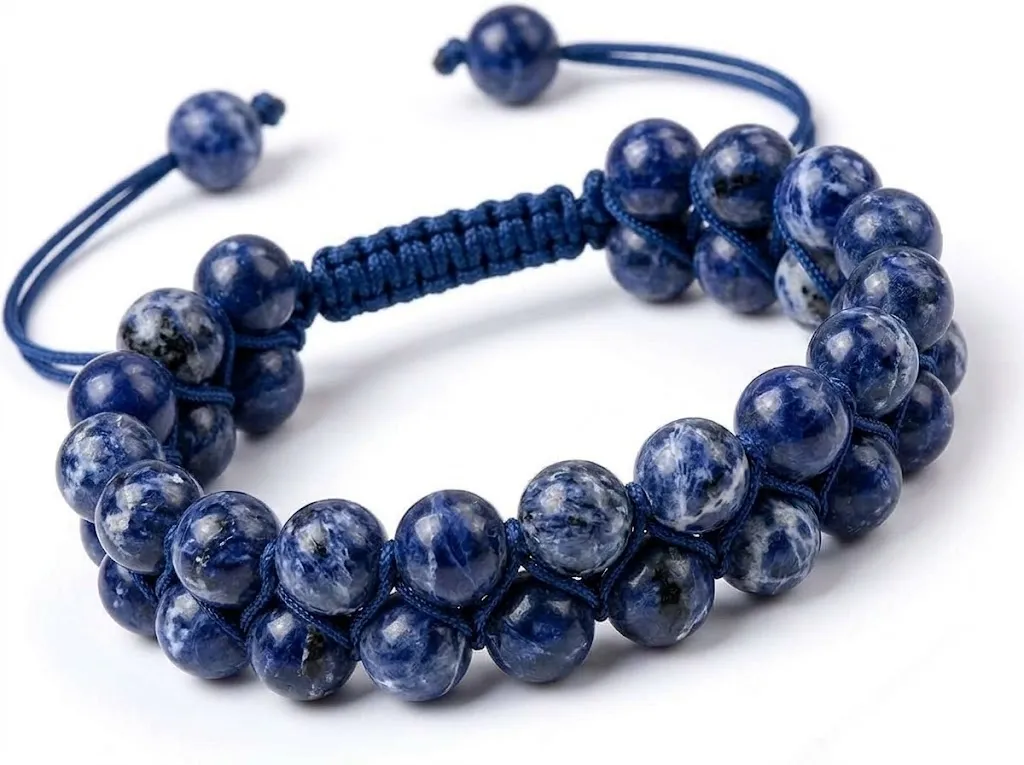
Double-row lapis bracelet
Actual two-row blue-bead design with matching thread
Mineral facts at a glance
| Property | What it means |
|---|---|
| Material | Metamorphic rock; not a single mineral |
| Principal blue contributor | Lazurite and related blue mineral components |
| White areas | Often calcite within the rock matrix |
| Brassy gold-coloured flecks | Often pyrite, not actual gold |
| Typical hardness | About 5–6 on Mohs scale; varies with mineral mix |
| Typical appearances | Deep blue to violet-blue, sometimes with white and pyrite |
| Possible treatment | Dye, wax, oil or other surface enhancement |
| Common products | Raw chunks, tumbles, carvings, beads and jewellery |
Three questions before buying lapis
Accurate mineral identity matters more than an exaggerated “highest grade” label.
What is the material?
Read whether the item is lapis lazuli, sodalite, a dyed substitute or a composite material.
What is the finish?
Inspect blue colour, calcite, pyrite, polishing, size and any dye or wax treatment.
Which actual item?
Check the individual listing’s photographs, quantity, fastening and any applicable documents.
How lapis can fit into everyday jewellery
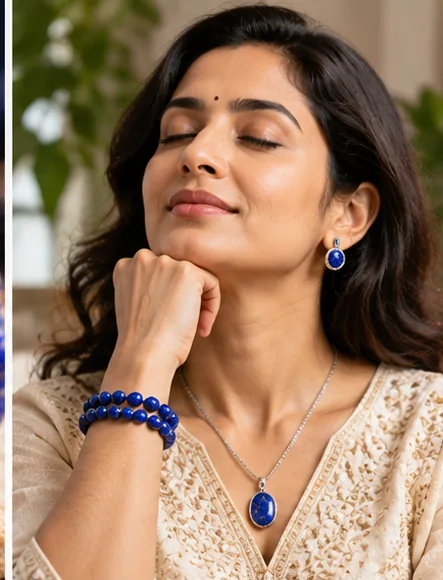
Deep blue lapis is an elegant choice for a bracelet or a small polished pocket stone. Its visible patterns make each piece different, while practical concerns like bead fit and polish are more useful than dramatic healing promises.
- Compare actual bracelet construction to close-up product photos.
- Use a comfortable wrist measurement.
- Store the bracelet separately from harder, sharp-edged gemstones.
- Remove jewellery before water exposure, sport and harsh cleaning.
Authenticity checklist
- Inspect actual natural-looking blue variation and mineral features.
- Never assume that pyrite flecks alone confirm the gem.
- Ask for dye or other treatment disclosure.
- Seek an independent mineral assessment for valuable items.
- Verify exact dimensions and quantity.
Safe care checklist
- Use a clean soft cloth for routine surface dusting.
- Avoid acids, saltwater and prolonged soaking.
- Protect the stone from impact, hard abrasives and steam.
- Keep threaded bracelets away from detergents.
- Store each polished piece in a soft separate pouch.
Lapis lazuli is a rock, not a single blue mineral
The vivid blue in lapis is principally associated with lazurite and related minerals; white regions often come from calcite, while golden-looking sparkles may be pyrite. These components can vary even across different portions of the same stone.
This mineral mixture is why “100% solid blue” is not a universal requirement for genuine lapis. A blue bead with no pyrite can still be lapis; a bead with metallic flecks is not automatically authentic.
How to interpret colour, calcite and pyrite
Strong, fairly even royal-blue colour is often prized, but shades range through violet-blue and darker indigo. White calcite veins and patches create distinct patterns, while small pyrite flecks can add visual interest. Excess white areas can affect some buyers’ aesthetic preferences, but are not proof of a fake material.
Pyrite has a brass-like metallic colour. It must not be advertised as gold. Unevenly distributed flecks may be natural; a highly uniform imitation pattern warrants closer inspection.
Recognizing common lapis lookalikes
Sodalite, dyed howlite, dyed magnesite, dyed jasper, glass and manufactured composites can resemble lapis lazuli in pictures. A very uniform blue tone, surface dye collecting in cracks or unnaturally regular flecks can suggest questions to ask, but none of these signs alone makes a definitive identification.
Avoid destructive home tests involving acid, heat or solvents. For expensive products, a qualified gemologist can assess material identity and possible treatments with appropriate methods.
Dye and surface treatments
Some commercial lapis is dyed to deepen its blue appearance or conceal light calcite areas. Wax or oil may improve the surface appearance. A treatment does not necessarily mean the underlying rock is artificial, but an undisclosed treatment can mislead a buyer.
Every product’s claims about being natural, untreated or certified need to be evaluated against evidence for that exact piece or batch. A certificate covering a different material cannot establish this item’s origin or enhancement history.
Raw stones versus polished tumblestones
A raw chunk may retain angular surfaces and a mixture of blue, white and brassy mineral zones. A tumbled stone is rounded through finishing and can emphasize a saturated colour. Our two raw photographs and two tumbled-stone photographs are separate views of those two published ranges, not four different types of jewellery.
Use actual photos and product quantities to decide whether you are receiving one stone, a representative assortment or a specified pack.
Lapis lazuli bracelets: design and fit
A threaded double-row bracelet combines blue beads with a visible cord construction. It must be assessed on its own terms: wrist fit, bead count, actual stone shape, durability of thread and fastening. Do not mistake an editorial model image for a photograph of the exact item.
Avoid wearing soft lapis beads against harder jewellery that can scratch their polish. Keep perfume, skincare and cleaning products away from strung stones.
Lapis and the throat chakra: a cultural association
Modern gemstone traditions often associate lapis with speech, truth and the throat chakra. Historic lapis was also widely valued for ornament and pigments. Such beliefs may be meaningful to individual customers, but there is no reliable evidence that lapis improves communication, heals the throat or treats mental health disorders.
It is appropriate to discuss the cultural history without promising supernatural effects.
Safe care and cleaning
Because lapis is a mixed rock and can be porous or treated, avoid soaking, saltwater, acids, steam, harsh chemical cleaners and aggressive ultrasonic cleaning. A soft dry cloth is a conservative default; refer to the precise finish and jewellery components before any wet cleaning.
Store polished pieces in separate soft pouches. Avoid impacts and sharp abrasion, and keep loose chips or damaged jewellery out of reach of children and pets.
Buying with evidence, not dramatic claims
Compare actual photographs, measurements, quantity, the stone’s natural variations and disclosed enhancements. For meaningful-value pieces, seek a reputable gemological opinion. Statements like “Afghan lapis” or “lab certified” should only be made when supported for that particular stock.
Our product information focuses on what each item actually offers, the supporting evidence available and suitable care—without unsupported medical or financial promises.
Frequently asked questions
Is lapis lazuli a single mineral?
No. It is a rock containing several minerals, usually including the blue lazurite component, calcite and sometimes pyrite.
Are the gold-looking specks actual gold?
No. The brass-coloured flecks commonly seen in lapis are pyrite, not native gold.
Does genuine lapis have to contain pyrite?
No. Pyrite may be present, absent or too small to notice; its presence alone cannot authenticate a stone.
Can lapis lazuli be dyed?
Yes. Some commercial lapis is dyed or surface treated. Check individual product disclosures.
Is lapis lazuli the same as sodalite?
No. Sodalite is a different material that can look similar in colour, and some imitations also copy the appearance.
Can I wash lapis jewellery in saltwater?
Avoid saltwater soaking, acidic cleaners and harsh cleaning. Lapis can contain softer minerals and treatments that require gentle care.
Does a throat-chakra association prove medical benefits?
No. It is a cultural or symbolic interpretation, not evidence that the stone treats throat symptoms or improves health.
Are the five photos five separate products?
No. They show five actual catalogue photos spanning three listings: raw lapis, tumbled stones and a double-row bracelet.
Discover real lapis lazuli in our collection
Compare the actual deep-blue raw stones, polished tumbles and our threaded lapis bracelet through first-party product photographs, exact item descriptions and appropriate care notes.
Our five product photographs are from three catalogue listings; additional editorial images are original illustrative media. No blanket claims are made about stone provenance, independent certification, scientific healing or the presence of actual gold.