


Divinity Crystals · A Beginner’s Guide to Gemstones and Crystal Traditions
Crystals attract our attention for many reasons: natural colour, intricate patterns, polished gemstones, unusual mineral shapes and stories that have developed around them. You might want a small Amethyst tumble for a desk, a Rose Quartz bracelet, a Pyrite specimen for a collection or a set of stones connected with a spiritual tradition.
The phrase “healing crystals” is widely used in wellness communities. We want you to understand what it means and what it does not mean. A gemstone’s composition, colour, hardness and physical form are real. Associations with calm, love, good fortune, protection or the chakras belong to cultural or personal belief. Stones are not proven medical treatments and cannot guarantee wealth, relationships or emotional outcomes.
This guide explains the most common crystals, traditional meanings, product formats, beginner selection questions, identification basics and care. The cover and Indian portrait are original editorial illustrations; the product gallery below features actual Divinity Crystals merchandise photographs.
Start with your genuine interest: a mineral to study, a thoughtful gift, an attractive bracelet or a symbolic reminder. Our aim is to help you buy the right real item, not convince you that you need several stones to solve every difficulty in life.
Seven essentials before buying your first gemstone
- Identify the stone. Quartz, gypsum, pyrite and volcanic glass are not the same material.
- Choose the physical format. Raw chunk, polished tumble, loose chips, bracelet and cluster serve different practical purposes.
- Check the listing. Verify measurements, count, photographs, treatments and any meaningful laboratory documentation.
- Understand belief claims. Chakra, grounding and abundance associations are symbolic, not medical or financial guarantees.
- Protect the stone. Mineral hardness and water tolerance vary; one cleaning method does not suit every crystal.
- Buy only what you need. There is no universal starter kit required for peace or happiness.
- Use a stone mindfully if you wish. It can remind you of a personal intention; your decisions are the part that matters.
What is a crystal? The mineral facts behind the name
In mineralogy, a crystal is a solid with an ordered atomic structure. Some minerals grow visibly recognisable geometric faces, while others occur as compact masses, tiny fragments or polycrystalline material. Retailers often use “crystal” broadly for polished rocks, gemstone beads, quartz varieties and even natural volcanic glass such as Obsidian.
Because not every stone shares the same chemistry, appearance alone can mislead. A transparent Quartz point and a translucent gypsum wand may both look pale, but gypsum is much softer. Metallic Pyrite is chemically and physically different from Citrine, even though both may be sold in “abundance” collections. Knowing the material helps you care for the product and recognise misleading claims.
The science also helps explain why natural-looking products vary. Inclusions, colour zoning, matrix, polishing marks and growth patterns may differ between specimens. A featured editorial image expresses the topic, while the listing’s actual photographs establish what you should inspect before buying.
Eight popular healing crystals: real properties and traditional meanings
The associations below are how stones are often presented in modern crystal and chakra practices; they are not claims of proven physical effects. We also describe their actual mineral properties and practical shopping considerations.
Amethyst
Purple crystalline quartz. Contemporary traditions connect it with quiet reflection and the crown or third-eye chakra. It is not a proven anxiety or sleep treatment.
Product guidance: Choose a polished tumble, raw cluster or bracelet; avoid strong heat and long periods of intense sun.
Rose Quartz
Blush-pink quartz, often cloudy or translucent and usually found in massive form. Modern heart-chakra traditions connect it with compassion and affection.
Product guidance: For jewellery, verify bead size and fit; for a desk, consider a tumble or securely placed rough piece.
Clear Quartz / Sphatik
Colourless to cloudy quartz, familiar in crystal-point shapes and polished jewellery. Some traditions call it a ‘master healer’; that is symbolism, not a medical classification.
Product guidance: Compare clear crystal points, chips, smooth tumblestones and beads; do not assume transparent means certified.
Smoky Quartz
Grey-to-tea-brown quartz with colour centres. Crystal traditions associate it with grounding; the colour can be natural or treatment-related.
Product guidance: Ask about colour treatment where important and choose a product photo that matches the physical form.
Black Tourmaline
Opaque black schorl commonly has lengthwise ridges. Root-chakra traditions connect it with protection, but it cannot shield a person from real-world threats.
Product guidance: Choose a smooth tumble, raw display or bracelet; watch sharp rough edges and jewellery fittings.
Pyrite
Metallic brassy-yellow mineral often called fool’s gold. Its association with business luck and prosperity is a cultural belief, not a financial guarantee.
Product guidance: Protect from moisture; avoid soaking and rubbing fragile or oxidised surfaces.
Citrine
Yellow-to-orange quartz that may be naturally coloured or heat treated. Merchant’s-stone symbolism refers to tradition, not evidence of income generation.
Product guidance: Ask about treatments and colour claims; avoid exposing pieces to high heat or harsh cleaners.
Black Obsidian
Dark natural volcanic glass with conchoidal fracture, not a quartz crystal. Some use it symbolically for self-reflection and boundaries.
Product guidance: Handle sharp raw edges carefully and avoid confusing glassy material with Black Tourmaline.
You do not need all eight. If one appeals to you, explore its separate article or product listing and focus on that particular mineral. For more targeted information, our Rose Quartz guide, Black Tourmaline guide and Smoky Quartz guide discuss their respective materials in greater depth.
Five real Divinity Crystals product photographs
These are first-party images attached to specific published product listings, not generated illustrations. Check the exact listing for quantity, dimensions, colour range, treatments and availability. Natural stones vary.
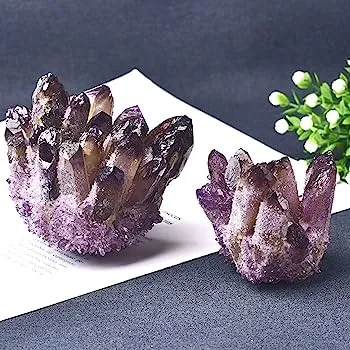
Amethyst Cluster Specimen
An existing first-party Amethyst cluster listing view; check individual specimen dimensions and any phantom or certification claims.
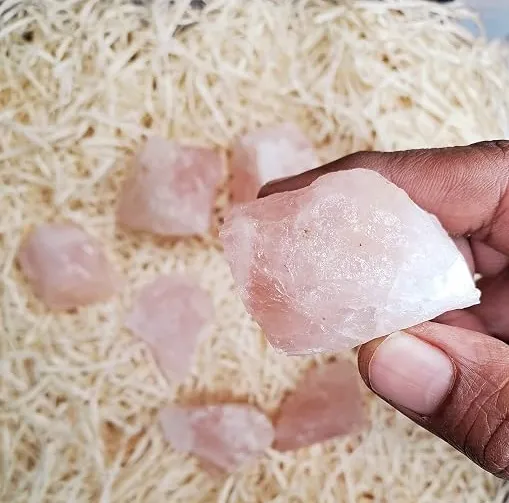
Raw Rose Quartz — Close-Up
A genuine product-gallery close-up of pale-pink raw quartz. Surface texture, size and natural variation differ between pieces.
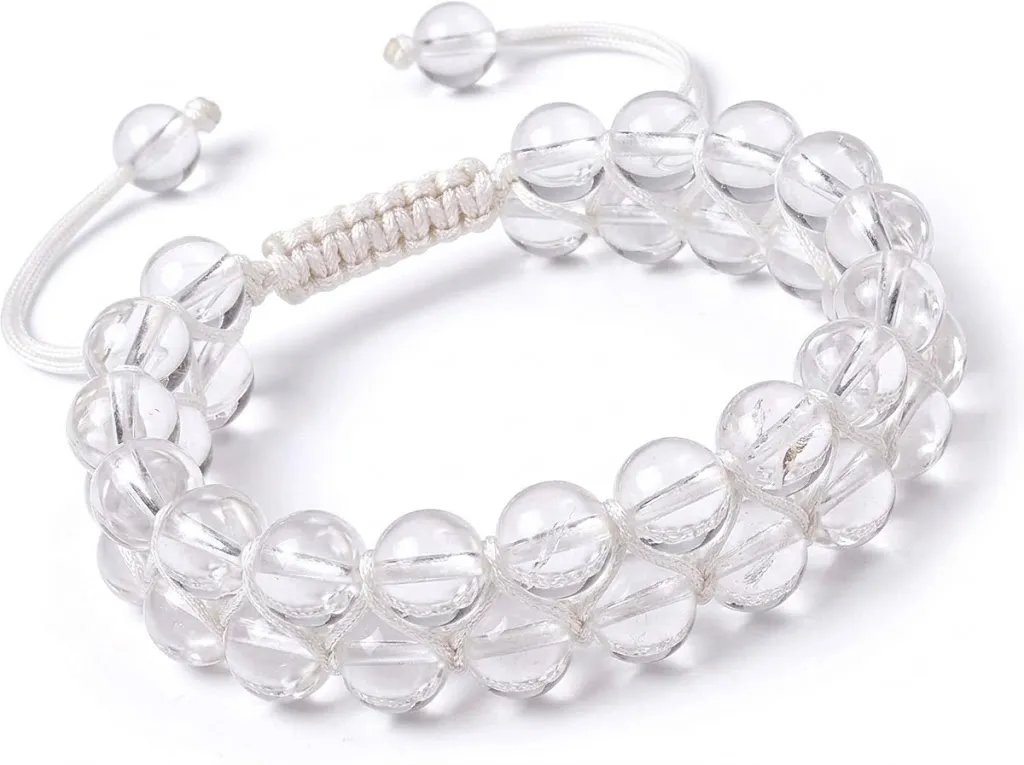
Clear Quartz Double-Layer Bracelet
Actual white-threaded two-row quartz bracelet gallery photo. Check the bead count, fit and construction before ordering.
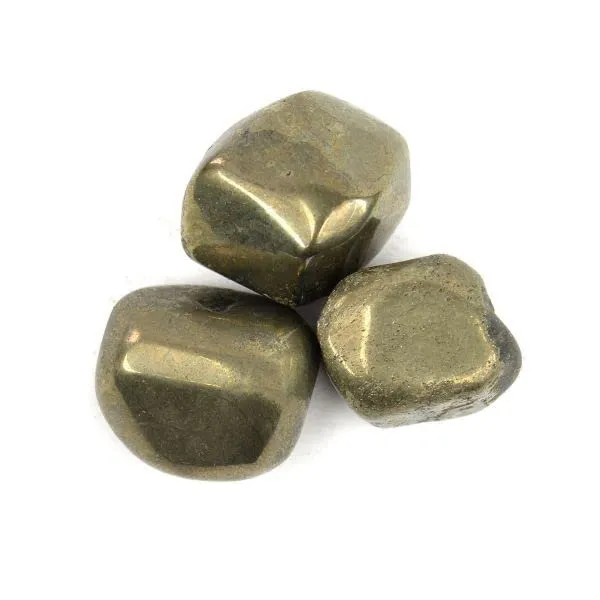
Golden Pyrite Tumblestones
Metallic-gold iron sulphide, traditionally linked with prosperity. Keep dry and confirm count and finish.
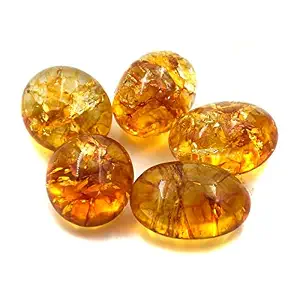
Brazilian Citrine-Labelled Tumbles
Yellow-to-golden quartz listing image. Colour alone does not establish natural origin or heat-treatment status.
Which crystal should you choose for a beginner’s collection?
| Your practical goal | Suitable formats to consider | What to verify |
|---|---|---|
| A comfortable desktop display | One polished Amethyst, Rose Quartz or Clear Quartz tumble in a stable tray. | Actual count, size, smoothness, surface finish and treatment information. |
| Wearable gemstone jewellery | Correctly sized round or faceted stone bracelets, or a documented double-layer design. | Bead diameter, number of layers, wrist fit, thread/elastic, hardware and actual colour. |
| A raw natural mineral look | Rose Quartz chunks, Black Tourmaline rough pieces or Amethyst clusters. | Edges, weight, mounting stability, specimen photos and inclusions. |
| Decorative craft material | Small crystal chip packs with a disclosed quantity or weight. | Piece-size range, sharp fragments, material labels and safe storage. |
| A metallic mineral collector item | Pyrite tumblestones or well-supported raw specimen. | Stable storage, moisture care, quantity and oxidation signs. |
| A traditional intention or chakra theme | A stone you personally connect with, without exaggerated guarantees. | Accurate mineral, reasonable care needs and a price you are comfortable with. |
Different formats are not interchangeable just because the stone name matches. A small chip pack is not a palm-sized tumble; a double-layer bracelet is not a single-strand design. The photograph should reflect the actual construction, not an imaginative version created for decoration.
How to begin: choose, verify, care and use mindfully
Here is a practical four-step approach that works whether you are buying your first mineral specimen or expanding a small collection.
Choose one practical purpose
Do you want an attractive desk specimen, jewellery to wear, a small pocket stone or a contained craft display? Start with that physical use rather than purchasing every crystal linked with a desired outcome.
Check the listing and the material
Read the real product name, stone type, weight or bead diameter, quantity, any disclosure of dye or heat treatment, and the exact photographs. A certificate claim should be linked to the correct item or parcel.
Clean and store for the mineral
Begin with a soft dry cloth and follow material-specific instructions. Hard quartz and soft gypsum, moisture-sensitive pyrite and threaded jewellery should not all be cleaned in the same way.
Use symbolism as a reminder
If you enjoy a ritual, let the stone mark an intention to journal, listen patiently or make a practical plan. The stone’s presence is optional; decisions, action and suitable professional help remain essential.
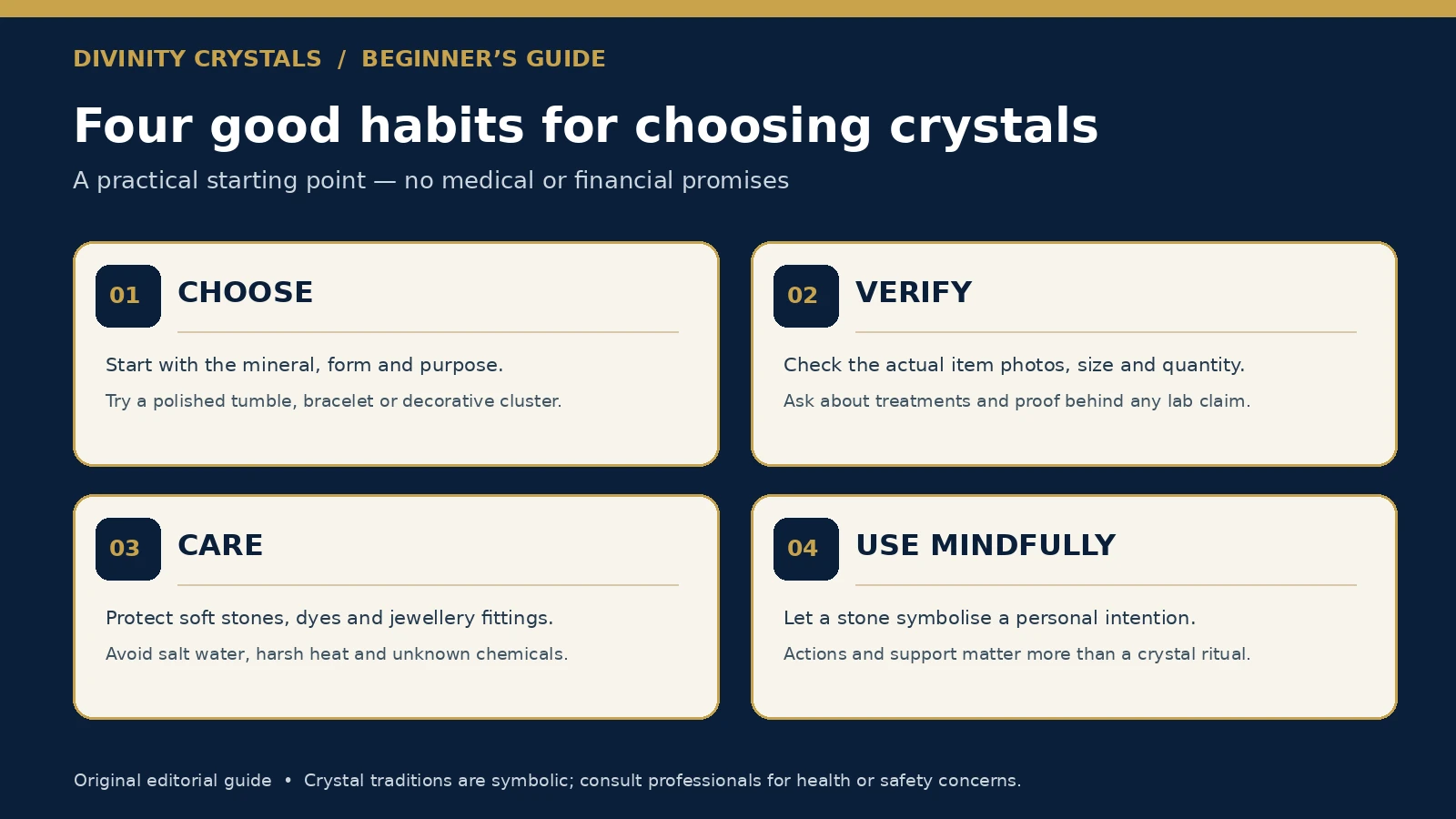
This process is not a spiritual test. You can enjoy the specimen as decoration, study its geological features or use it as an optional marker for a personal routine. If the goal requires professional expertise—medical symptoms, relationship safety, financial decisions or serious distress—seek the relevant support.
How crystal chakras and traditional intentions are commonly described
Chakras are important ideas in various South Asian spiritual and yogic traditions. Contemporary crystal practice sometimes associates coloured stones with the seven familiar chakra centres. These pairings differ by teacher and tradition, and they are not scientifically established anatomical structures.
| Symbolic chakra | Common modern association | Possible stone examples |
|---|---|---|
| Root / Muladhara | Stability, safety and grounding symbolism. | Black Tourmaline, Smoky Quartz, Red Jasper. |
| Sacral / Svadhisthana | Creativity and change. | Carnelian, orange stones. |
| Solar plexus / Manipura | Confidence and personal agency. | Citrine, Tiger’s Eye, Pyrite. |
| Heart / Anahata | Compassion and connection. | Rose Quartz, Green Aventurine. |
| Throat / Vishuddha | Communication and expression. | Blue Lace Agate, Aquamarine. |
| Third eye / Ajna | Insight and reflection. | Amethyst, Lapis Lazuli. |
| Crown / Sahasrara | Contemplation and spiritual connection. | Clear Quartz, Amethyst, white gypsum in some traditions. |
We explain these associations respectfully, while being clear that wearing a stone cannot be relied upon to adjust a body’s organs, hormones, brain function or illnesses. For further cultural context and material guidance, read our seven-chakra crystals guide.
Crystal identification: natural, treated or imitation?
Many crystals are sold with attractive adjectives such as “natural,” “high-grade,” “premium,” “untreated,” “reiki charged” or “certified.” These phrases do not all mean the same thing. A natural mineral may be heated, dyed, polished, assembled into jewellery or sold beside a visually similar imitation. The accurate material and treatment description is what matters.
Review the physical evidence
Inspect clear photos of the item or represented parcel. Compare the mineral’s usual texture, transparency, shape and colour variation. Confirm sizes and weights. Ask whether treatment or coating is disclosed. When a laboratory report is relevant, inspect its identity, stone details and scope rather than assuming a logo alone proves every claim.
Avoid viral home-damage tests
Scratch tests, heating with a flame, acid use or placing stones in boiling water can damage genuine items and still fail to identify them properly. A gemologist can examine important specimens more reliably if treatment or mineral identity materially affects value.
For example, an orange-yellow quartz sold as Citrine may be heat treated, and that does not automatically make it non-quartz. Blue-dyed Howlite should not be advertised as natural turquoise. Pyrite is metallic iron sulphide, not gold. A first-time buyer benefits far more from honest disclosure than from dramatic promises.
Read our real versus fake crystals guide for a more detailed product-authenticity framework.
Crystal care: why water, sunlight and salt are not universal solutions
Mineral care is about composition and construction, not whether a stone has a particular “energy.” A soft damp cloth may be fine for some untreated polished quartz, but it is not an appropriate universal recommendation for soft gypsum, moisture-sensitive pyrite, unknown treatments or threaded jewellery.
| Material or format | Care approach | Avoid |
|---|---|---|
| Quartz family: Amethyst, Rose Quartz, Clear Quartz, Smoky Quartz | Begin with soft dry dusting; consider the specimen’s treatments, fractures and settings. | Sudden heat changes, harsh chemicals, rough impacts, and unnecessary long sun exposure. |
| Pyrite | Keep as dry as practical; store in a stable, low-humidity setting and gently dust. | Salt-water baths, soaking and prolonged damp storage. |
| Selenite / satin spar gypsum | Soft dry dusting and padded storage. | Water soaking, abrasive cleaners, and storage beside harder quartz without protection. |
| Raw Black Tourmaline | Support rough pieces and clean gently with a soft brush. | Impacts on ridges and edges, steam cleaning or sudden temperature change. |
| Bead bracelets and mixed jewellery | Clean based on both the mineral and elastic, thread, adhesives or metal findings. | Universal immersion instructions and rough stretching or scraping. |
Keep chips and small stones away from children and pets. Do not place loose minerals into drinking water. Crystal “cleansing” and “charging” are spiritual expressions, not substitutes for hygiene or material preservation. Read our physical cleaning versus symbolic cleansing guide for mineral-specific details.
Peace, joy and abundance: meaningful intentions without misleading promises
It is completely reasonable to want calm, stronger relationships and financial security. Some people connect these goals with crystal symbolism: Amethyst for reflection, Rose Quartz for compassion, Pyrite for prosperity or Citrine for optimism. Those associations can be personally meaningful, but mineral ownership cannot guarantee any of these outcomes.
For everyday wellbeing, an achievable routine might involve resting adequately, speaking with someone you trust, following a budget, taking a manageable work step or receiving appropriate support. A crystal can remain a pleasant visual reminder if you enjoy it. Claims that missing “good energy” causes illness, poverty or harm are not supported by evidence and can be especially misleading.
We want a customer to leave with a clearly described gemstone and realistic expectations—not a belief that one more purchase is necessary to become worthy of health, happiness or love.
Three realistic beginner examples
“I want something beautiful for my study table.”
Compare a small Amethyst cluster, a secure Pyrite specimen and a polished quartz tumble. Prioritise dimensions, stability, actual photos and dust care. Choose whichever appearance you genuinely like.
“I want a meaningful bracelet gift.”
Consider a Rose Quartz or Amethyst bracelet with clearly stated bead diameter and size. A traditional association may help explain the gift, but the design, fit and material quality are what determine everyday use.
“I want to learn about crystals without spending much.”
Start with one common, correctly labelled tumblestone and read about its mineral family, hardness and care. You can learn geology and symbolism without buying an entire chakra kit.
“I want to explore a traditional intention.”
Use a stone as a reminder to journal, show kindness or organise your goals. Keep medical, financial and safety decisions anchored in appropriate evidence and advice.
Frequently asked questions about healing crystals
Clear answers on beginner choices, chakra traditions, authentic materials, treatment disclosures and safe care.
What are healing crystals?
Healing crystals is a popular name for minerals and stones used in personal or spiritual wellness traditions. Their mineral properties are real, but medical treatment and guaranteed outcomes are not established by calling a stone healing.
Do crystals scientifically cure illnesses?
No reliable evidence shows that crystals treat diseases, anxiety disorders or other medical conditions. Do not use them in place of medical assessment or prescribed treatment.
Which crystals are easiest for beginners?
Many people begin with familiar quartz varieties, such as Amethyst, Rose Quartz or Clear Quartz, because they are widely available in tumbled and jewellery forms. Choose the specific form and care requirements that suit your needs.
Are crystal chakras scientifically proven?
Chakras are important symbolic concepts in several spiritual and yogic traditions, but they are not confirmed anatomical energy centres in conventional medical science.
Can I wear a crystal bracelet every day?
You can wear suitable gemstone jewellery with ordinary care. Compare actual bead size, fit, elastic or stringing and any metal components before wearing.
Are all crystals safe to put in water?
No. Some stones are water-sensitive, porous, soluble, reactive, treated or set in vulnerable jewellery. Avoid generic advice to soak every stone; start with dry care and consult the actual material guidance.
Can I put crystals into drinking water?
We do not recommend putting loose minerals directly into drinking water. Composition, surface treatments and contamination risks cannot reliably be assessed from a photograph.
How do I tell natural quartz from glass?
Look for clear, consistent product photography and material disclosure, and obtain a qualified gemological assessment if identity matters materially. Home scratch and flame tests can damage items and still mislead.
Can Citrine be heat-treated Amethyst?
Some commercial orange or yellow quartz sold as Citrine has been produced by heating Amethyst or other quartz. Ask about treatment disclosures rather than assuming the shade proves natural colour.
How many crystals should a beginner buy?
There is no required number. One well-described stone that you enjoy is a better starting point than a large collection bought for exaggerated promises.
What should I check on a product listing?
Check the mineral name, physical form, measurements, quantity, treatments, actual photos, applicable documents, care instructions, delivery and return terms.
Are coloured stones always treated or fake?
No. Many minerals are naturally coloured, and some may be dyed, heated, coated or otherwise treated. Accurate material and treatment disclosure is more useful than assuming every vivid stone is fake.
Final perspective: start with a real stone and a clear understanding
Crystals are fascinating because of their mineral structures, variations, colours and craft possibilities. Cultural traditions can give them symbolic meaning, but we should not mistake a beautiful mineral for a cure, a protective guarantee or a source of automatic financial success.
We recommend choosing a physical format that suits your purpose, checking first-party product photographs and treatment information, and caring for the actual mineral. Start small and learn as you go. Divinity Crystals aims to help customers understand what they are buying and enjoy it for what it truly is.