
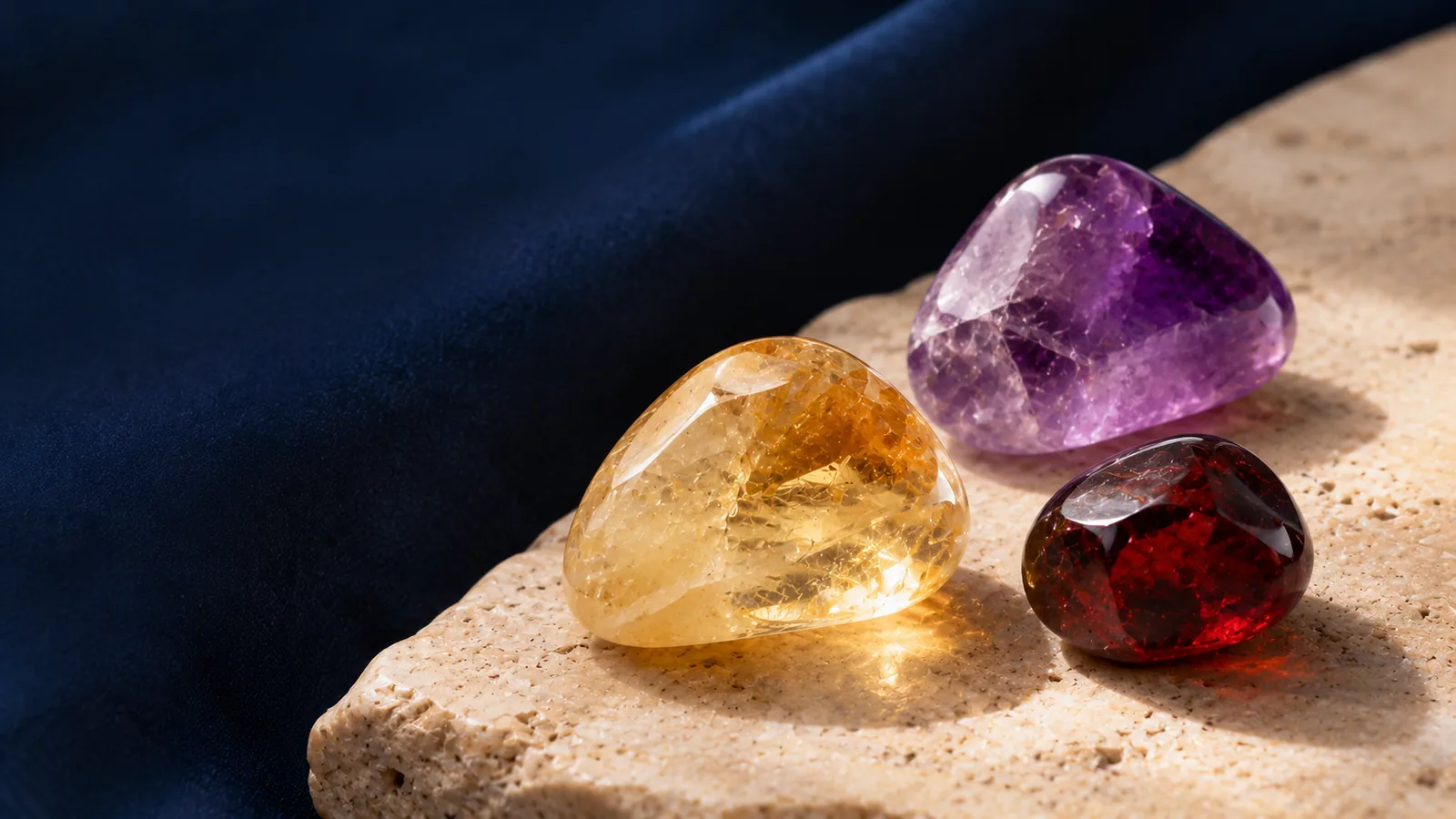
Divinity Crystals · Astrological gemstone education
Uparatna is a term used in Indian gemstone traditions for secondary or substitute stones. These associations can have cultural significance, but substitutes are not automatically the same mineral as a primary Navratna gemstone.
Explore the difference between symbolic pairings and actual gemology, with five real product photographs from the Divinity Crystals catalogue.
Our focus is clear mineral identification, genuine photographs, treatment disclosures, honest buying advice and material-safe care—not promises of planetary, health or financial outcomes.
Five first-party Divinity Crystals product photographs
Five distinct catalogue products linked to their exact published pages: amethyst, citrine, garnet, peridot chips and sunstone. These do not constitute a bundled Uparatna kit and are not offered here as mineral-equivalent replacements for sapphire or other precious gems.
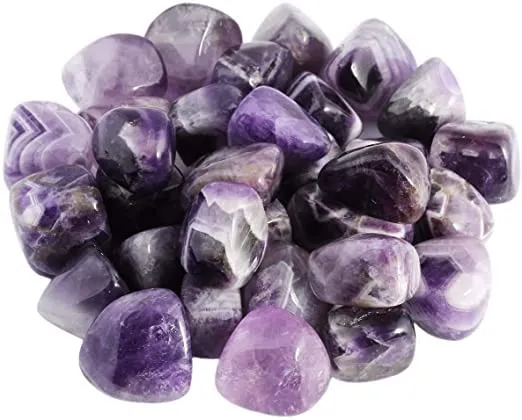
Amethyst
Purple quartz, sometimes listed as a blue-sapphire alternative in modern traditions
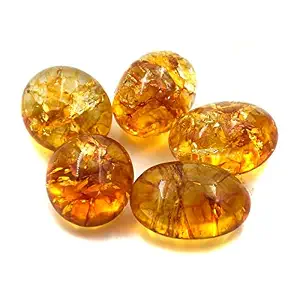
Citrine
Yellow quartz, often associated with yellow-sapphire substitutions
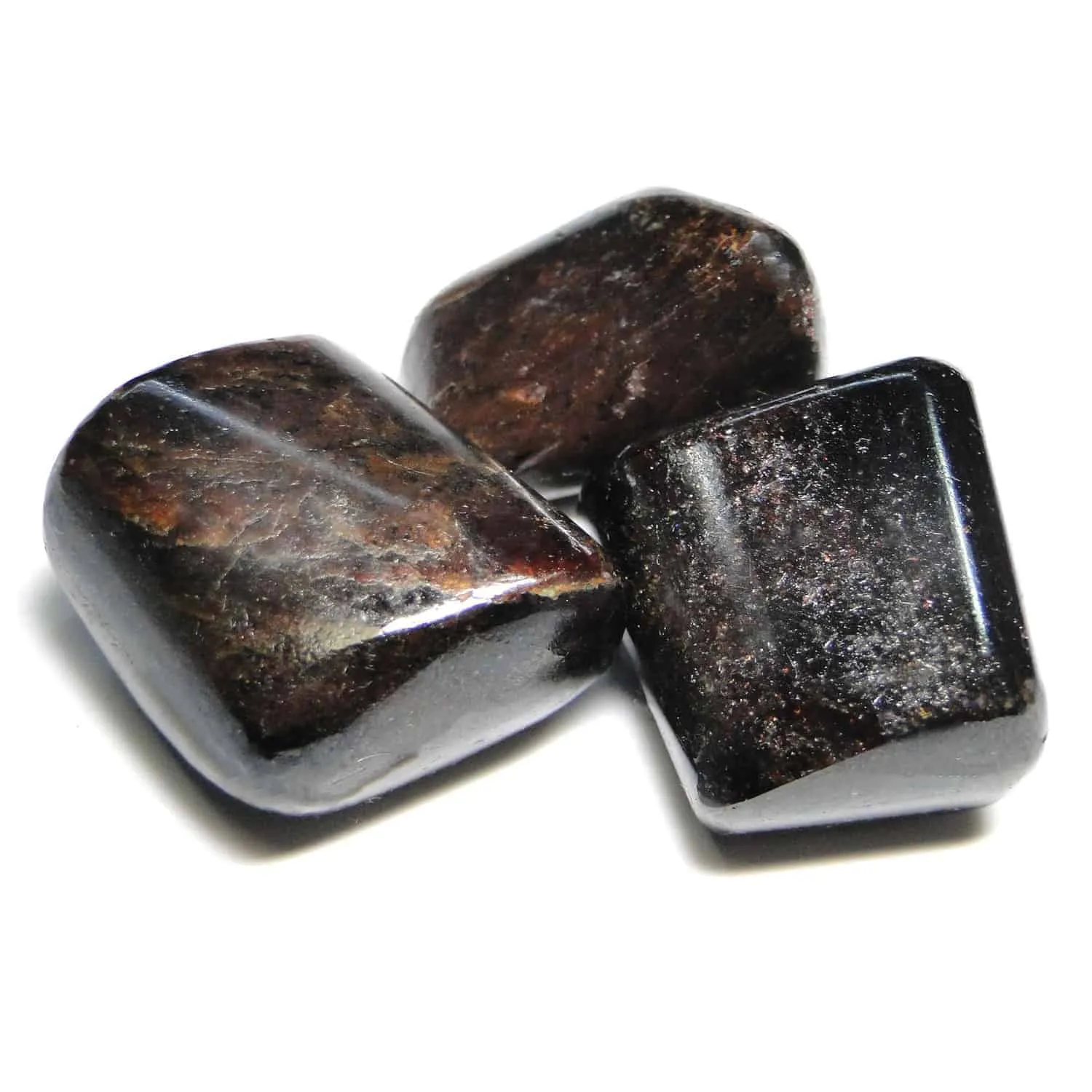
Garnet
A varied gem group; species and colour need identification
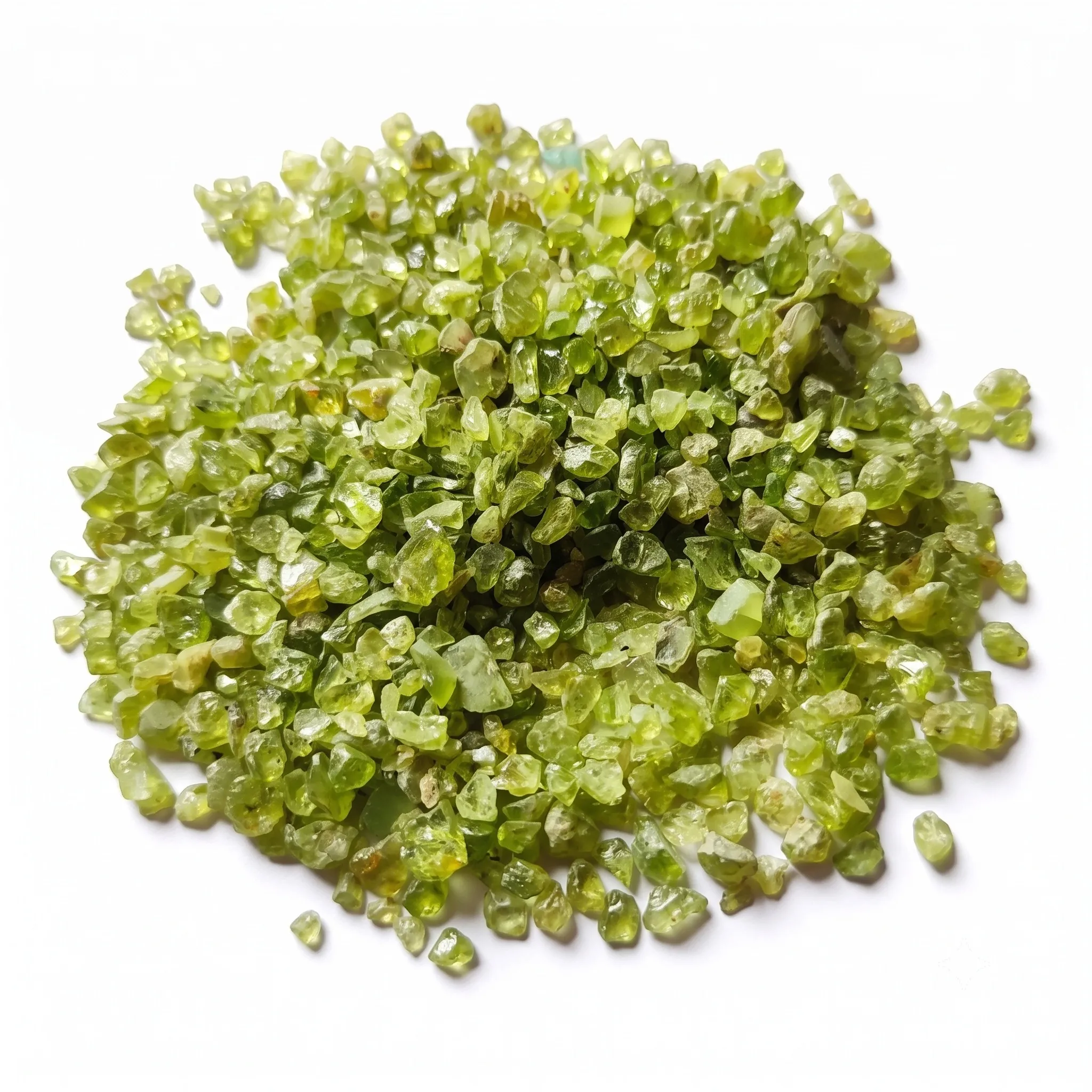
Peridot
Green olivine gemstone in small crystal chips
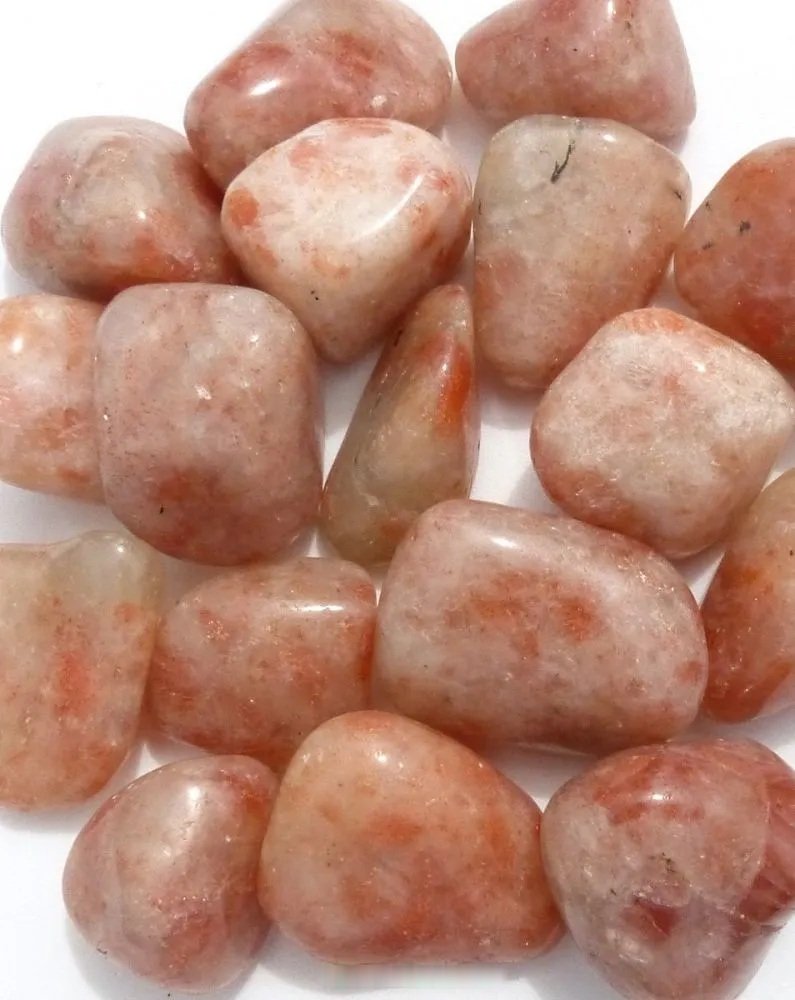
Sunstone
Feldspar gemstone with variable reflective inclusions
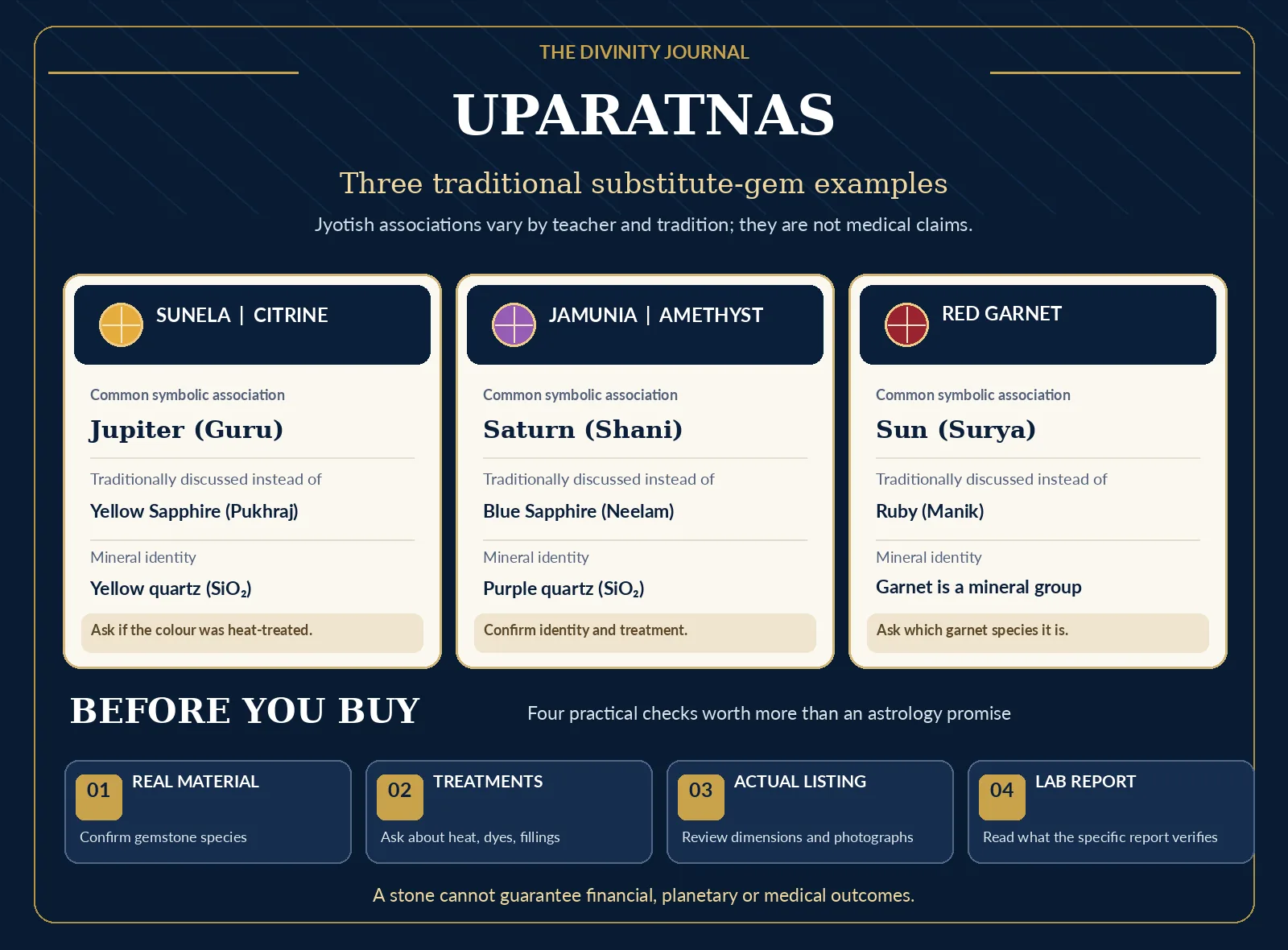
Traditional examples and actual minerals
| Gemstone | Gemological identity | Traditional context / caution |
|---|---|---|
| Citrine | Quartz (SiO₂), yellow-orange | Often discussed in place of yellow sapphire/Pukhraj in modern practice; not the same mineral |
| Amethyst | Quartz (SiO₂), violet | Sometimes associated with blue sapphire/Neelam alternatives; not corundum |
| Garnet | A group of related silicate minerals | Traditional associations vary by species, colour and source |
| Peridot | Gem-quality olivine | Appears in some modern alternative-gem lists, but its identity and optical properties differ |
| Sunstone | Feldspar group gemstone | Common symbolic links to vitality or the Sun, not a scientifically proven astrological substitute |
Three checks before choosing any Uparatna
Real stone identity is more important than dramatic predictions.
Name the mineral
Verify citrine versus sapphire, amethyst versus sapphire, and the exact garnet or feldspar type.
Inspect the product
Use actual photographs, measurements, treatment disclosures and reports specific to the item.
Separate meanings
Personal traditions are different from verifiable gemological identity or evidence of therapeutic effects.
Modern gemstone practice with transparent expectations
Some people select a gemstone based on family traditions, aesthetic preferences, religious practice or personal symbolism. These choices can coexist with a practical examination of the actual stone, without assuming it must change one’s destiny.
- Identify the stone and understand what is actually being sold.
- Compare appearance, wearability and treatment information.
- Seek independent identification for expensive gems when appropriate.
- Avoid decisions based on pressure, fear or guaranteed results.

Buying checklist
- Check exact mineral identity, weight and dimensions.
- Confirm any treatment disclosures and whether it is natural or synthetic.
- Inspect actual photos and report scope where relevant.
- Do not assume an unrelated lab report covers your item.
- Compare price and durability as well as appearance.
Care and handling
- Start with gentle dry cleaning.
- Avoid thermal shock, acids, household chemicals and rough impacts.
- Keep gemstones separated in soft individual pouches.
- Protect strung beads from soaking and stretched threads.
- Keep chips out of reach of children and pets.
What does Uparatna mean?
In gemstone-related Indian usage, uparatna is commonly applied to a secondary or substitute stone suggested within some astrological traditions. The word does not define a mineral species, quality grade, standardized equivalence or clinical function.
Lists and recommended substitutions differ across practitioners and texts. A modern blog pairing should not be represented as a universal ancient rule. The substitute cannot be assumed to share the colour, hardness, chemistry or value of the primary gem.
Gemological identity must come before substitution claims
Citrine and amethyst belong to quartz; blue and yellow sapphires are corundum. Garnet names cover a family of minerals. Peridot is olivine and sunstone belongs to feldspar. These distinctions matter even when products are grouped together by astrological symbolism.
Our first-party gallery documents which exact mineral product is being offered. Buying a citrine is buying citrine, not a low-cost sapphire.
Citrine versus yellow sapphire
Modern astrologically oriented shopping guides sometimes describe citrine as a Pukhraj alternative, but the gem materials are different. Citrine has Mohs hardness 7, while sapphire (corundum) is harder. Most commercial citrine is heat-treated amethyst or smoky quartz, making treatment disclosure especially important.
A yellow colour does not establish whether the item is citrine, yellow sapphire, glass or another gem. Laboratory evidence may be needed for high-value stones.
Amethyst versus blue sapphire
Amethyst is purple quartz, usually hardness 7, while blue sapphire is corundum. Some contemporary lists associate amethyst with Saturn or blue sapphire by symbolic convention; these are not claims of material equivalence.
Check for colour zoning, workmanship and natural-versus-synthetic origin when relevant. Strong exposure to sunlight or inappropriate heat may affect some amethyst colour, so storage matters.
Garnet, peridot and sunstone as their own gemstones
Garnet describes a mineral group with varied colours and properties; it should not be treated as one composition. Peridot is the green gem variety of olivine with Mohs hardness around 6.5–7. Sunstone is a feldspar that may show aventurescence from inclusions, depending on specimen and origin.
Do not infer that a red, green or orange stone is genuine solely because the colour matches a symbolic planetary category.
How gemstone treatments and enhancements affect buying
Heat-treated citrine is common in commerce. Colour enhancements, filling and synthetic materials exist across the gemstone trade, but treatment practices differ by gemstone. Check the disclosure actually relevant to the item rather than assuming every stone is untreated or certified.
A report is useful only when the laboratory, description, measurements and sample identity match what is sold. A generic photograph of a certificate or an unrelated report is not sufficient.
Traditional belief and reliable evidence
Astrological gemstone wearing may be meaningful in cultural or devotional settings, but it has not been established as a treatment for disease, a financial guarantee or a scientific means of changing planetary effects.
Those who consult a practitioner should distinguish that personal advice from verified gemological material details. No stone should be purchased under pressure or with promises of life-changing outcomes.
Care, storage and suitability
Use a soft dry cloth and store different minerals separately. Quartz and many garnets can be durable when set appropriately, but sharp blows, inclusions, porous treatments and jewellery threading still require care.
Protect peridot from harsh impact and chemicals. Avoid indiscriminate saltwater cleansing, boiling water, acids and scratch tests. Loose chips are small objects and should be kept away from children and pets.
Frequently asked questions
Is an Uparatna the same material as a Navratna gemstone?
No. A traditional substitute is typically a different gemstone mineral, even when used for similar symbolism.
Is citrine actually yellow sapphire?
No. Citrine is quartz and yellow sapphire is corundum. Colour similarity or astrological association does not make them identical.
Is amethyst the same as blue sapphire?
No. Amethyst is violet quartz and blue sapphire is corundum.
Are all substitutes accepted by every astrologer?
No. Substitution lists and practices vary. No single list should be represented as universally authoritative.
Can a certificate prove astrological effects?
No. Gemological documentation may identify material characteristics, but it does not validate astrological predictions or clinical claims.
Does natural citrine always mean untreated citrine?
No. Material origin and treatment history are separate questions. Heat-treated citrine is widespread; read the actual item’s disclosure.
Which alternative gemstone is best for daily wear?
Choose based on fit, gemstone hardness, design, setting, documented identity and care needs rather than guaranteed astrological outcomes.
Can gemstones change my wealth, marriage or health?
There is no reliable scientific evidence for guaranteed medical, relationship or financial outcomes from wearing gemstones.
Explore authentic gemstones for your preferred style
Browse our own products for genuine stone appearance, accurate materials and clearly described quantities. Traditional Uparatna associations can guide personal taste, while the purchase itself should be grounded in what you can verify.
The five linked photographs are from our own catalogue media. Two original editorials and the featured image illustrate gemstone traditions; they are not exact product photographs. Spiritual and astrological associations are cultural beliefs, not established medical, financial or planetary effects.