

DIVINITY CRYSTALS · PREMIUM GEMSTONE JOURNAL
Chakra-themed objects appear in contemporary crystal routines, from coloured stone bracelets to gemstone pieces beside a meditation journal. Choose them for their materials, craftsmanship, appearance and personal meaning—not as medically proven energy treatments.
Historical South Asian chakra frameworks vary. The familiar seven-colour chart and stone pairings are popular modern conventions rather than a single universal ancient prescription.
Explore five genuine products from our collection, understand the differences between bracelets, malas, loose stones and decorative objects, and learn how to shop and care for them safely.
Essential takeaways
- ✓There are different chakra maps in historical traditions; seven-colour gem associations are not universal.
- ✓A bracelet, mala, tumbled stone and resin pyramid are different kinds of products.
- ✓Review exact contents, bead sizes, material type and quantities before buying.
- ✓Colour alone does not prove gemstone identity or a product’s natural origin.
- ✓Never put unknown minerals, dyes, coatings or metal-bearing components into drinking water.
- ✓These objects are not established medical treatments or validated EMF shields.
Five genuine Divinity Crystals product photographs
Five genuine products from our catalogue, selected to illustrate types of real gemstones and jewellery. They are separate items — not a seven-stone kit. Follow each card to its exact product page.

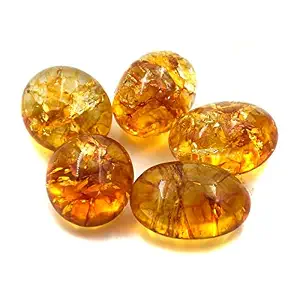
Citrine Tumbled Stones
Polished loose stones, sold as described on product page
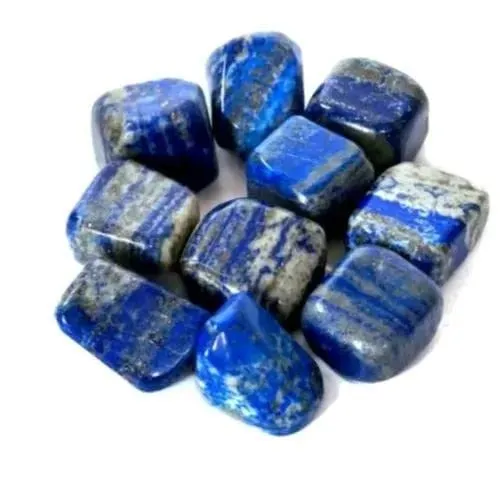
Lapis Lazuli Tumbled Stones
Deep blue loose stones with visible mineral differences

Products and key distinctions
| Object | What it is | What to check |
|---|---|---|
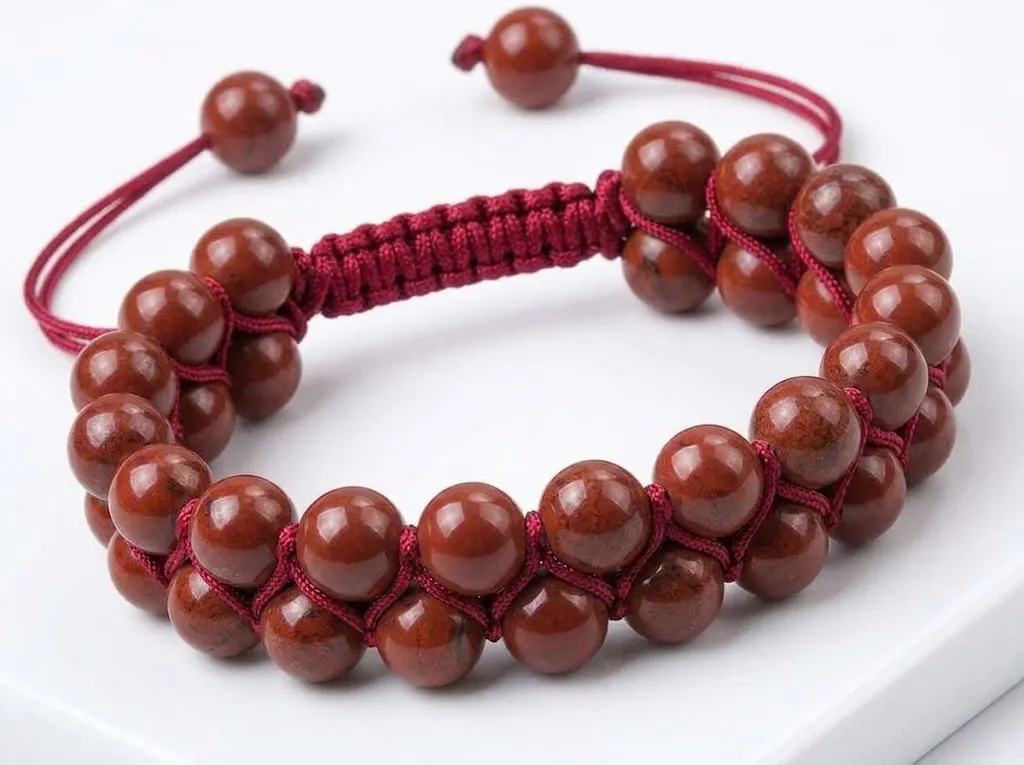
| Bead bracelet | Wearable strung gemstone beads | Exact materials, size, cord and closure |
| Mala | Longer bead strand for counting or adornment | Bead count, material, cord and tassel |
| Tumbled stones | Loose smooth mineral pieces | Size, quantity and treatment |
| Resin pyramid | Decorative resin composite, sometimes with inclusions | Composition; not a solid gemstone |
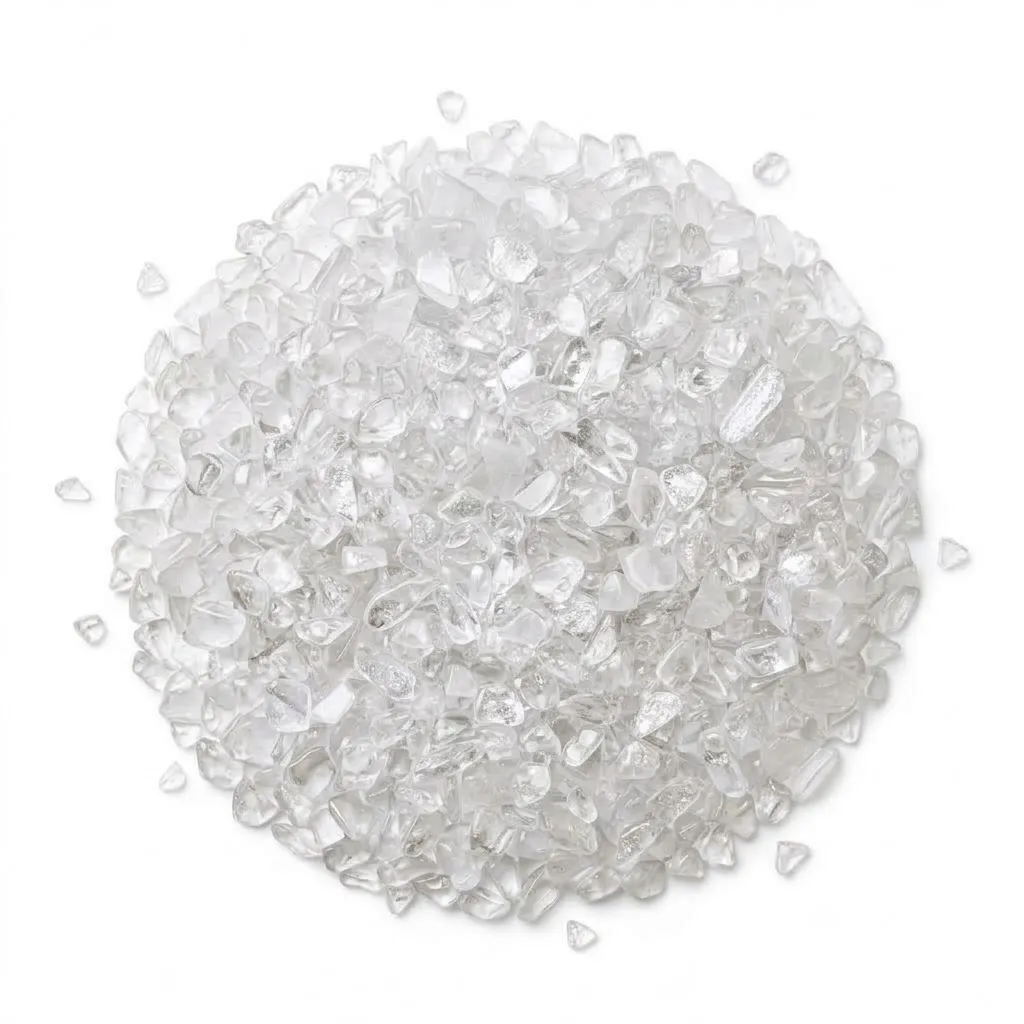
| Gemstone chips | Small rough or polished mineral pieces | Weight, size and choking risk |
Different products in one guide do not imply all are bundled together or certified.
Three questions before choosing a chakra-themed object
Material honesty matters more than dramatic wellness promises.
What is it made from?
Read mineral identity, resin or composite composition and any treatment details.
What is actually included?
Check quantity, bead count, weight, size and whether the photograph is representative.
How can it be used safely?
Choose low-risk display or reflection; do not ingest minerals or substitute them for medical care.
A five-minute reflection without exaggerated claims
Quiet practices can be simple: select a stone that you find pleasant to look at or hold, sit comfortably and reflect on a meaningful intention. The stone can be a tactile reminder while the practical action comes from you.
- Place a smooth clean stone nearby; body placement is optional.
- Breathe comfortably for a few minutes, without forcing your breathing.
- Write one question or practical action in a journal.
- Stop if uncomfortable, and keep the object stored safely afterward.

Before buying
- Inspect the exact stone or composition disclosed by the store.
- Compare photographs with specifications and size.
- Check any dye, coating, heat treatment or composite construction.
- Do not assume an independent report is included unless the product explicitly says so.
- If buying a set, verify which individual items it contains.
Safe use and maintenance
- Use a soft dry cloth unless the specific material has different care instructions.
- Avoid soaking porous stones, strung jewellery and resin pieces.
- Keep loose beads, chips and sharp items away from children and pets.
- Do not make crystal water with unverified mineral samples.
- Avoid essential oils on skin without proper precautions and compatibility checks.
The seven themes as a contemporary reflection framework
Root is frequently associated with stability; sacral with creativity; solar plexus with agency; heart with compassion; throat with expression; third eye with discernment; and crown with contemplation. These shorthand associations are used in modern wellness settings; their history and meaning vary.
For a deeper explanation of the traditions and limitations of modern seven-colour correspondences, read our complete seven-chakra guide.
Bracelets and malas: wearability comes first
A multicolour bracelet may use several minerals, imitation beads or a combination of both. Its colour arrangement alone does not authenticate the materials. Look at close-up photos, size, fastening, quality of bead holes and the advertised composition.
A mala might be used as a counting aid. When choosing it, check bead count, cord construction and tassel rather than assuming that all bead strands have the same spiritual or material characteristics.
Pyramids and gemstone trees are decorative objects
A layered resin pyramid must be presented as a resin-based object if that is its composition. Decorative inclusions are not evidence of electromagnetic shielding or therapeutic output. A tree made of wire and gemstone chips should be handled by its base and kept where delicate branches cannot catch on clothing.
Treat decorative products as objects of craftsmanship and personal symbolism rather than devices with validated technical effects.
Stone selection and safe care
Citrine, rose quartz, red jasper, lapis lazuli and clear quartz vary in hardness, porosity and treatment history. Never assume one cleaning method is safe for every mineral. Soft wiping and separate storage are often reasonable starting precautions.
If a product contains metal, dye, oil or resin, care must account for those components too.
What science does and does not establish
Chakra concepts have spiritual and cultural significance, but claims that crystal objects unblock measurable chakras, treat mental illness or protect from electromagnetic radiation have not been established by reliable scientific evidence. Personal meditative value is different from a clinically demonstrated treatment.
Frequently asked questions
Is there one official seven-stone kit?
No. Contemporary sets vary by maker and tradition. Verify what is actually included.
Are chakra colours part of every historical chakra system?
No. The modern seven-colour system is one popular interpretation. Historical descriptions differ.
Is a resin pyramid a single solid crystal?
No. Resin-composite pieces must be described by their actual ingredients.
Are the five gallery products sold together?
No. They are separately linked examples from the Divinity Crystals catalogue.
Can any of these products diagnose or cure a health condition?
No. They are presented for collecting, jewellery, decoration or reflective uses, not medical treatment.
Can I clean every chakra stone with salt water?
No. Material compatibility varies. Avoid soaking and follow product-specific care instructions.
Discover crystal tools through real product details
Browse our stone jewellery and loose mineral pieces while comparing actual photographs, material descriptions, care notes and available variants.
Brand disclosure: Original editorial imagery depicts concepts and styling; the five linked catalogue images depict product listings. Natural variation and product availability may differ. Cultural gemstone traditions are not medically validated treatments.