
DIVINITY CRYSTALS · RETAILER RESOURCE LIBRARY
Document the gemstone, not just the claim
A practical, printable handover record for buyers, independent jewellers and gemstone retailers. Record what is known, what is claimed and what remains uncertain.
Free printable PDF
Download the one-page A4 item disclosure record for your purchasing and retail documentation.
Before purchase: ten disclosure checks
1. Item reference
SKU, unique specimen ID, date and seller
☐ Recorded ☐ Clarify ☐ Unknown
2. Material identity
Species/variety, trade name, natural/laboratory-grown/imitation/unknown
☐ Recorded ☐ Clarify ☐ Unknown
3. Treatment
Known treatment, evidence and limitations; unknown is not untreated
☐ Recorded ☐ Clarify ☐ Unknown
4. Origin
Claimed locality, evidence source, or not established
☐ Recorded ☐ Clarify ☐ Unknown
5. Measurements
Loose or mounted weight, units, dimensions and tolerance
☐ Recorded ☐ Clarify ☐ Unknown
6. Photographs
Actual item or representative image, date, scale and visible features
☐ Recorded ☐ Clarify ☐ Unknown
7. Condition
Chips, fractures, repairs, coatings and mounting
☐ Recorded ☐ Clarify ☐ Unknown
8. Report
Issuer, number, scope, date and item match; not available if absent
☐ Recorded ☐ Clarify ☐ Unknown
9. Care
Material-specific handling and cleaning limitations
☐ Recorded ☐ Clarify ☐ Unknown
10. Handover
Price, return terms, unresolved questions and date
☐ Recorded ☐ Clarify ☐ Unknown
Natural, laboratory-grown and imitation: distinguish the terms
A natural gemstone forms in nature. A laboratory-grown gemstone is manufactured and may have essentially the same chemical composition and crystal structure as its natural counterpart. An imitation resembles another material but differs in composition or structure. Composite stones combine components and should be described accordingly. None of these classifications can reliably be established from a photograph alone.
Reusable item disclosure record
Print this section using your browser’s print command or Save as PDF. Complete one record per item or clearly identified parcel. Keep the original documentation with the record.
| Field | Recorded details / evidence |
|---|---|
| Item reference | ________________________ |
| Material identity | ________________________ |
| Treatment | ________________________ |
| Origin | ________________________ |
| Measurements | ________________________ |
| Photographs | ________________________ |
| Condition | ________________________ |
| Report | ________________________ |
| Care | ________________________ |
| Handover | ________________________ |
Example: how to communicate uncertainty
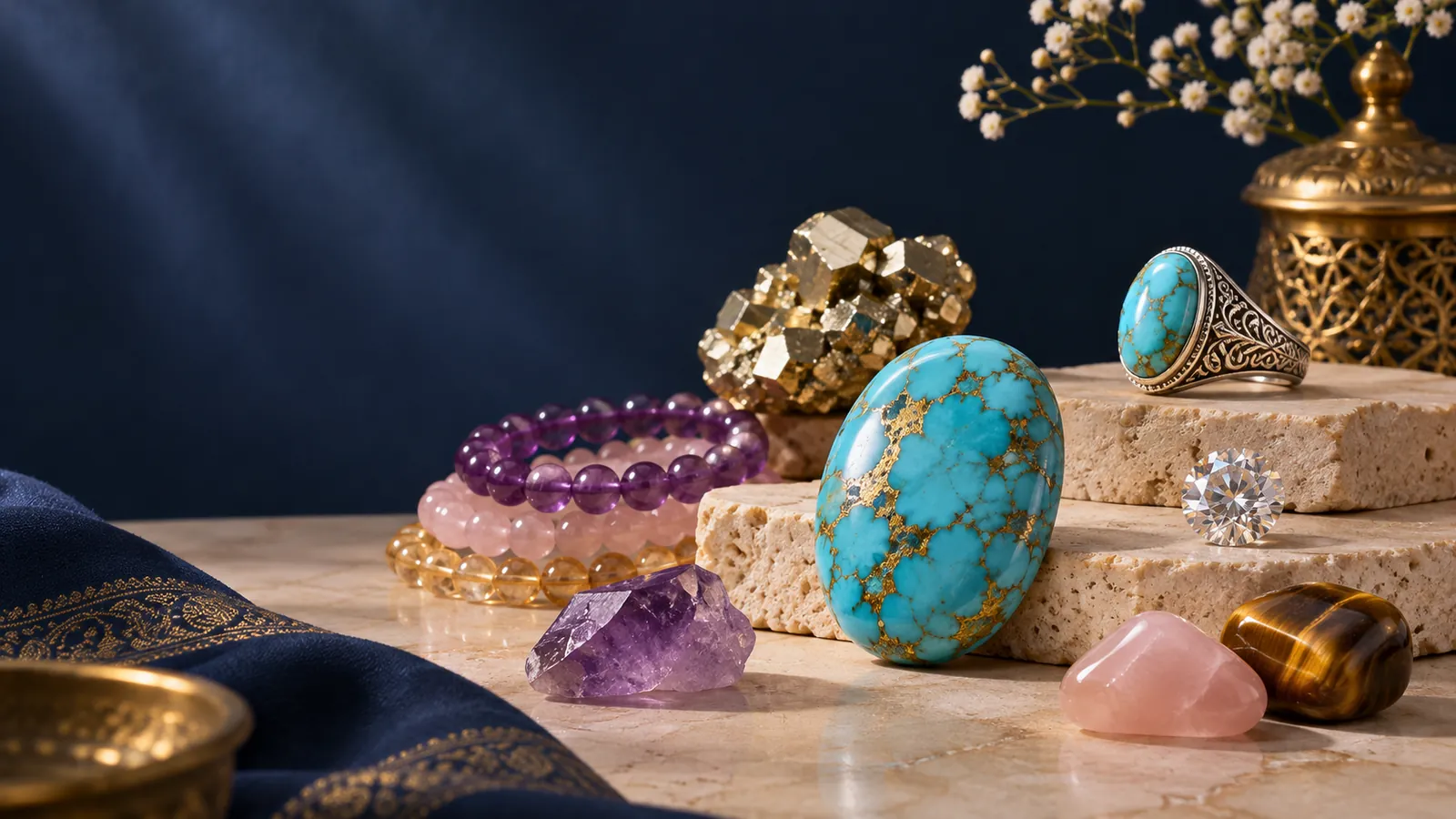
Illustrative example only: a blue-green cabochon is offered as turquoise, with origin described by the supplier as Iranian. No independent origin opinion is available. Treatment has not been established. The retailer records the supplier claim separately from verified findings and does not advertise the stone as untreated or origin-certified.
When to request professional examination
Seek an appropriately qualified gemological laboratory when identity, treatment or origin materially affects the purchase and cannot be supported by existing documentation. Avoid destructive scratch, acid or heat tests on merchandise. A completed disclosure record is not a laboratory report, appraisal or guarantee of authenticity.
Related free resources
Prepared by Divinity Crystals, 27 November 2026. General educational guidance, not a certification service. The checklist is free to use for your own purchasing and retail records.